
 Fair Housing Notice
The rise and fall of America’s greatest lumber port on the Niagara frontier
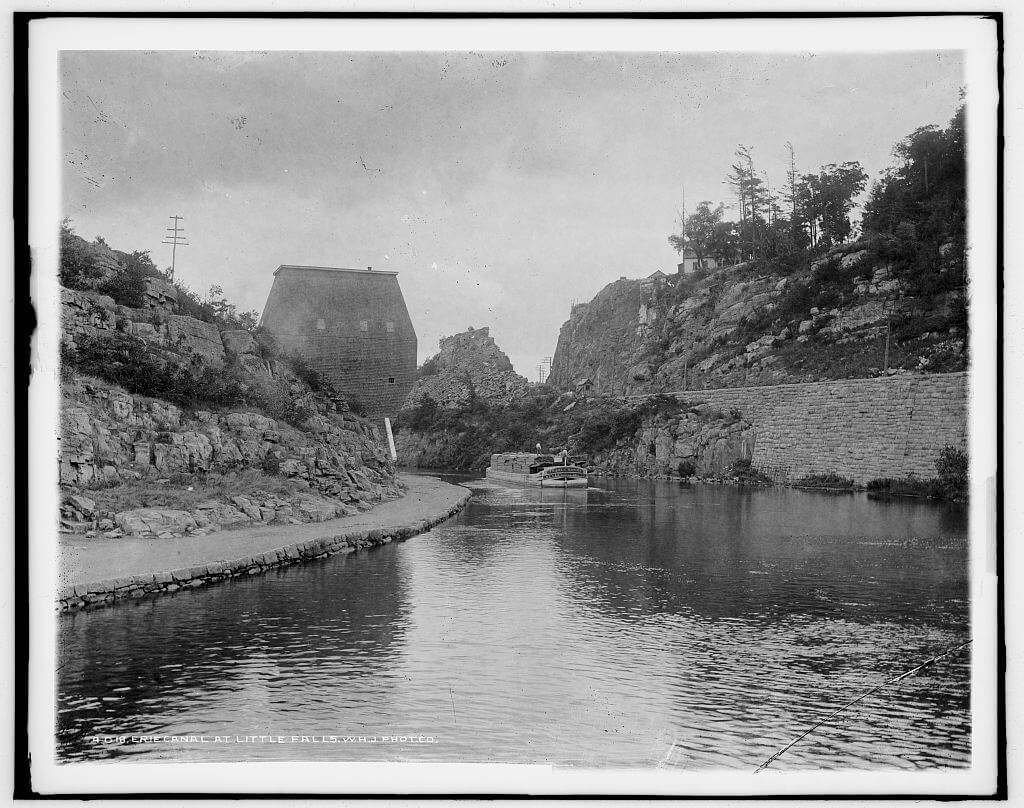
Along the banks of the Niagara River just north of Buffalo lie the neighboring cities of Tonawanda and North Tonawanda. Today they appear as quiet waterfront communities, but in the late nineteenth century the area was the most important lumber distribution center in the United States, and briefly in the world.
During this period North Tonawanda earned a remarkable nickname: “The Lumber City.” For decades its waterfront was lined with enormous lumber yards that handled timber arriving from the forests of the Great Lakes region. From here, lumber was redistributed to eastern markets and played a role in building some of the fastest-growing cities in the United States.
The story of how North Tonawanda became a lumber powerhouse is a fascinating intersection of geography, transportation, and industrial expansion.
A Strategic Location at the Canal Junction
North Tonawanda’s rise was largely the result of its strategic location.
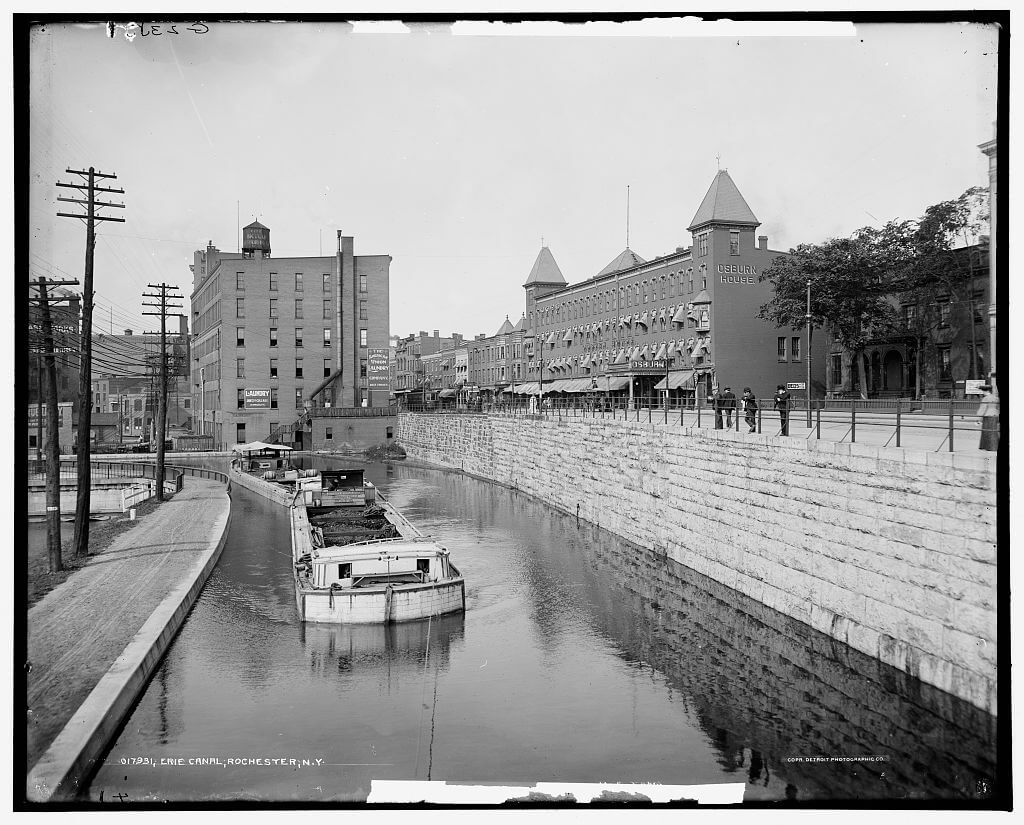
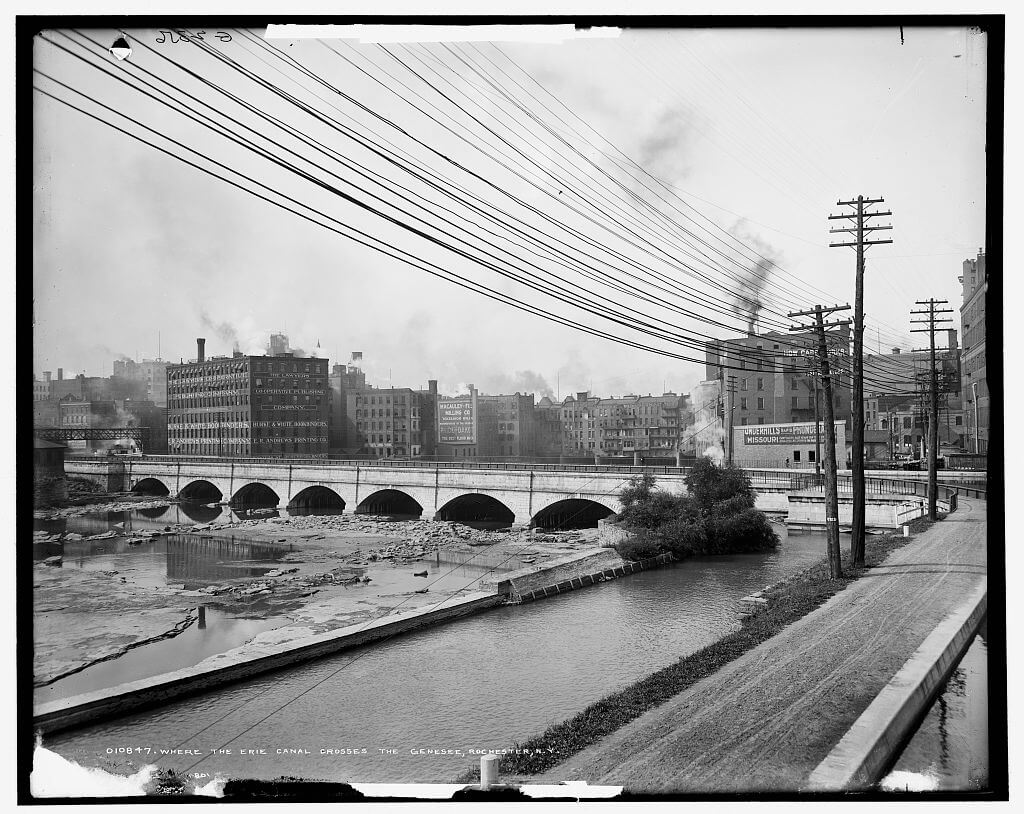
The community sits where Tonawanda Creek meets the Niagara River. Tonawanda Creek was incorporated into the route of the Erie Canal, allowing canal boats to move between the creek and the river system. When the canal opened in 1825, it created a direct transportation corridor connecting the Great Lakes to the Hudson River and ultimately to New York City.
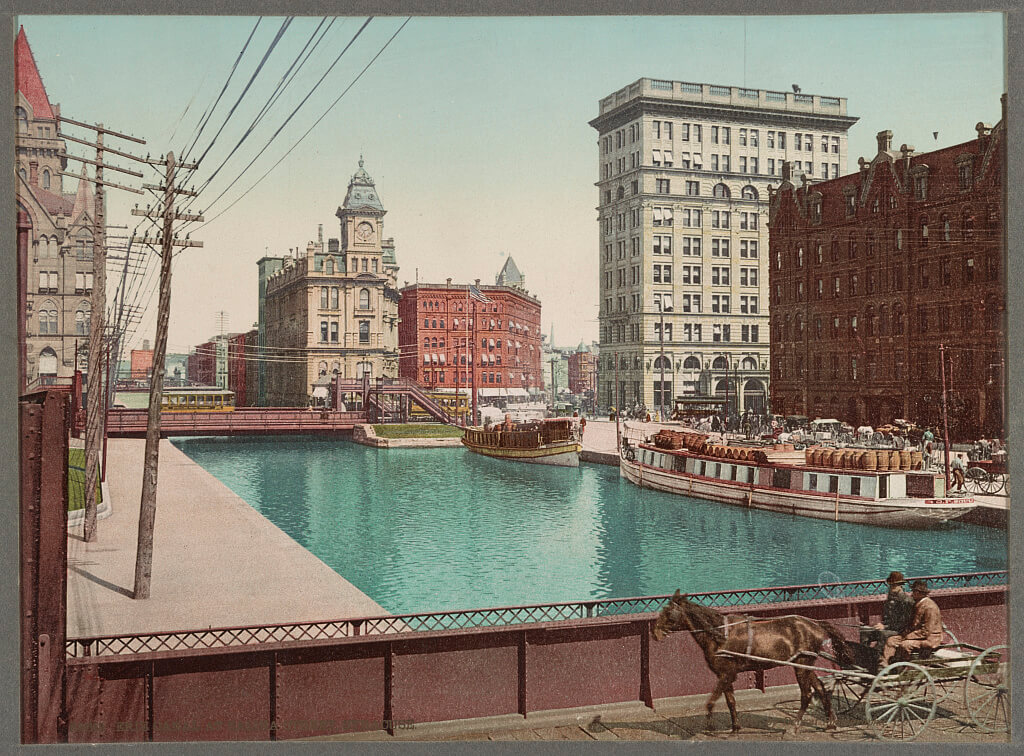
This junction became an ideal transfer point between lake vessels, canal boats, and eventually railroads.
By the mid-1800s, vast pine forests in the upper Midwest—especially in Michigan, Wisconsin, and Minnesota—as well as in Canada, were being logged at an extraordinary pace. Lumber companies needed ports where timber shipped across the Great Lakes could be transferred quickly to canal boats or rail lines headed east.
The Tonawandas were perfectly positioned for this role.
Lumber Arrives from the Great Lakes
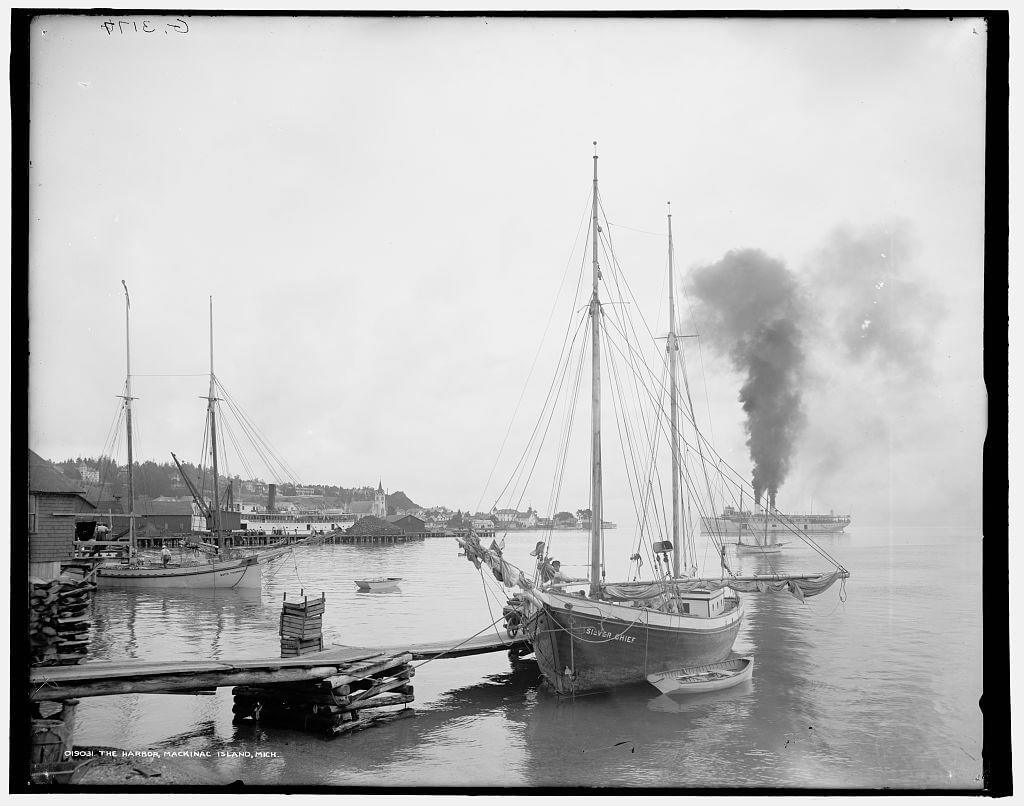
Logs cut in Midwestern and Canadian forests were floated down rivers to sawmills and processed into boards. These boards were then shipped across Lake Erie by schooners and steamships to ports along the Niagara frontier.
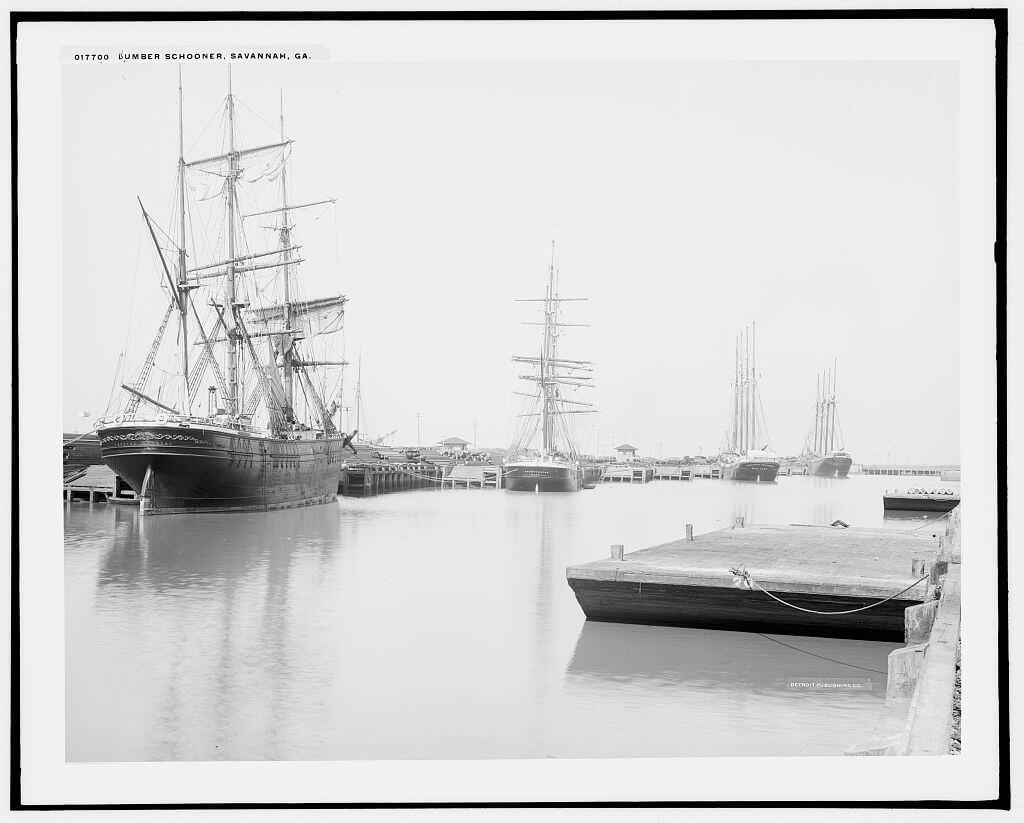
Large quantities of lumber began arriving at the docks along the Niagara River and Tonawanda Creek in the mid-nineteenth century.
From there, the lumber was unloaded into enormous yards lining the waterfront. Once sorted and stacked, it could be shipped east through the Erie Canal or by rail to growing cities such as New York, Boston, Philadelphia, and other eastern markets where demand for building materials was booming.
This position as a transfer and distribution hub made the Tonawandas one of the most important lumber distribution centers in the world.
The Great Lumber Boom
By the late nineteenth century, the waterfront of the Tonawandas had transformed dramatically.
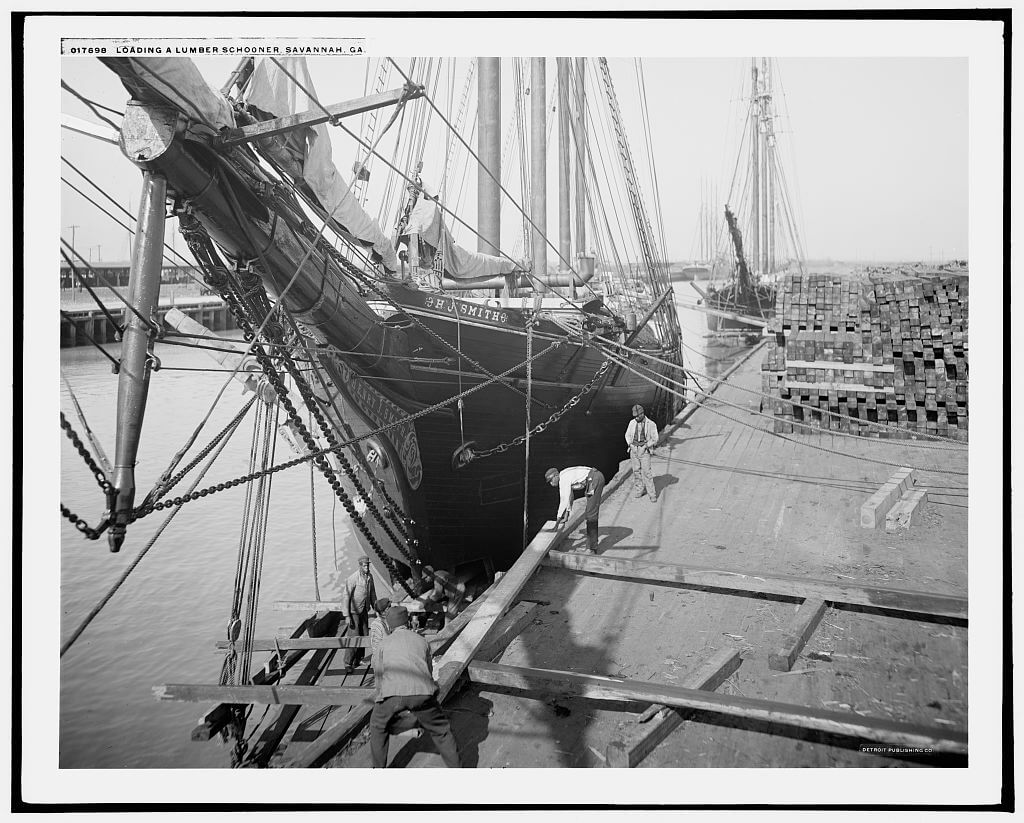
Scores of lumber companies operated massive yards that stretched for miles along the river, creek, and Tonawanda Island. Towering stacks of timber—sometimes hundreds of feet long—formed enormous walls of wood visible from passing ships.
Among the prominent firms operating in the Tonawandas were:
- Gratwick, Smith & Fryer
- McGraw & Company
- Skillings, Whitneys & Barnes
- W. H. Sawyer Lumber Company
- Ray H. Bennett Lumber Company (established 1902)
These companies employed thousands of workers who unloaded ships, sorted lumber, operated mills, and prepared shipments bound for eastern cities.
The scale of the industry was enormous. By 1890, the lumber trade in the Tonawandas had reached its peak, with annual shipments reaching 718 million board feet—surpassing even Chicago to become number one in the world.
Life in the Lumber City
The lumber trade shaped everyday life in the Tonawandas.
The waterfront was constantly busy with ships, canal boats, railcars, and steam-powered machinery. Workers spent long hours unloading vessels, stacking lumber in the yards, and preparing shipments for transport.
Sawmills and planing mills processed raw timber into finished materials such as flooring, beams, and siding. The smell of fresh-cut pine and hemlock often filled the air.
Local businesses thrived alongside the industry. Hotels, saloons, shipping offices, and supply stores catered to workers and traveling lumber buyers who came to inspect timber and negotiate contracts.
At its height, the lumber industry supported thousands of jobs throughout the Niagara frontier.
Fires and Industrial Hazards
The enormous lumber yards created serious fire risks.
Stacks of dry timber could ignite easily from sparks produced by machinery, locomotives, or nearby buildings. Over the years several major fires swept through the yards, destroying vast quantities of lumber and causing millions of dollars in losses.
Firefighters often struggled to contain these blazes because they could spread rapidly across acres of tightly stacked boards.
Despite these dangers, the industry proved resilient, and lumber companies frequently rebuilt after devastating fires.
Decline of the Lumber Era
By the early twentieth century, North Tonawanda’s dominance in the lumber trade began to decline.
Several factors contributed to the downturn:
- The pine forests of the Great Lakes region were becoming depleted after decades of heavy logging.
- Railroads increasingly shipped lumber directly from western forests to eastern markets.
- Sections of the Erie Canal system were altered or abandoned, including the canal connection from Tonawanda to Buffalo in 1918, reducing the importance of the old route.
Although the massive peak-era lumber yards gradually disappeared, lumber transportation and forwarding operations continued in North Tonawanda well into the mid-twentieth century and even into the 1970s, albeit at a much smaller scale.
A Legacy Preserved
Today, the era of towering lumber piles along the Niagara River has long passed, but the legacy of the industry remains an important part of local history.
Organizations such as the Historical Society of the Tonawandas and the North Tonawanda History Museum, now located on Oliver Street, preserve photographs, records, and artifacts from the region’s lumber age. These institutions document the period when the waterfront was one of the busiest lumber ports in the nation.


Many former industrial sites have since been redeveloped into parks, marinas, and public spaces along the river.
From Canal Junction to Lumber Capital
North Tonawanda’s rise as “The Lumber City” illustrates how geography and transportation networks can shape economic history.
Situated at a critical junction between lake shipping routes and the Erie Canal system, the city became a vital link connecting the forests of the Midwest with the rapidly expanding cities of the East.
For decades, the lumber that passed through North Tonawanda helped build homes, factories, and neighborhoods across the northeastern United States.
Although the industry eventually faded, its influence helped shape the identity and development of the Tonawandas—and remains one of the most fascinating chapters in the history of the Niagara frontier.