
 Fair Housing Notice
This article is for informational purposes only and is not a substitute for professional medical advice, diagnosis, or treatment. If you’re experiencing symptoms of depression, please consult a qualified healthcare provider.
When days grow shorter and the weather turns colder, many people notice a shift in their mood and energy levels. Feeling a little less motivated or more tired in winter can be normal—but for some, these changes are deeper and more persistent. This condition is known as Seasonal Affective Disorder (SAD), a type of depression that follows a seasonal pattern, most commonly appearing in the fall and winter months. Understanding SAD and learning how to cope with it can make a significant difference in both mental and physical well-being.

What Is Seasonal Affective Disorder?
Seasonal Affective Disorder is a form of depression linked to changes in seasons. While less common, some people experience SAD in spring or summer; however, winter-pattern SAD is far more prevalent.
Common symptoms include:
- Persistent low mood or sadness
- Fatigue and low energy
- Loss of interest in activities once enjoyed
- Difficulty concentrating
- Changes in sleep patterns (often sleeping more)
- Increased appetite, especially cravings for carbohydrates
- Feelings of hopelessness or worthlessness
These symptoms go beyond “winter blues” and can interfere with daily functioning, relationships, and work.
Why Does SAD Happen?
The exact cause of SAD isn’t fully understood, but several factors are believed to contribute:
- Reduced sunlight exposure can disrupt the body’s internal clock (circadian rhythm), leading to feelings of depression.
- Lower serotonin levels, a neurotransmitter that affects mood, may occur with decreased sunlight.
- Melatonin imbalance, which regulates sleep, can cause excessive drowsiness and lethargy.
- Vitamin D deficiency, often linked to limited sun exposure, may also play a role.
Understanding these biological factors helps explain why SAD is not a personal weakness—it’s a real, treatable condition.
How to Combat Seasonal Affective Disorder
While SAD can feel overwhelming, there are many effective strategies to help manage symptoms.
1. Maximize Light Exposure

Light therapy is one of the most well-researched treatments for SAD. Using a light therapy box for 20–30 minutes each morning can help regulate circadian rhythms and improve mood. Additionally:
- Spend time outdoors during daylight hours, even on cloudy days.
- Sit near windows when possible.
- Keep living and workspaces bright and open.
Note: While light therapy is generally considered safe, it may not be suitable for everyone. People with certain conditions—such as bipolar disorder, eye conditions, or sensitivity to light—should consult a healthcare provider before starting light therapy. A medical professional can help determine the right intensity, duration, and timing for your needs.
2. Stay Physically Active
Exercise is a powerful mood booster. Regular physical activity helps increase serotonin and endorphins while reducing stress.
- Aim for at least 30 minutes of movement most days.
- Outdoor exercise combines physical activity with natural light.
- Gentle options like yoga or stretching can be just as beneficial when energy is low.

3. Maintain a Consistent Routine
SAD can disrupt sleep and daily structure, which in turn worsens symptoms.
- Go to bed and wake up at consistent times.
- Schedule regular meals and activities.
- Break tasks into small, manageable steps to avoid feeling overwhelmed.
Routine creates stability when motivation is low.
4. Nourish Your Body
Diet plays an important role in mental health.
- Focus on balanced meals with whole grains, lean proteins, fruits, and vegetables.
- Limit excessive sugar and highly processed foods, which can worsen mood swings.
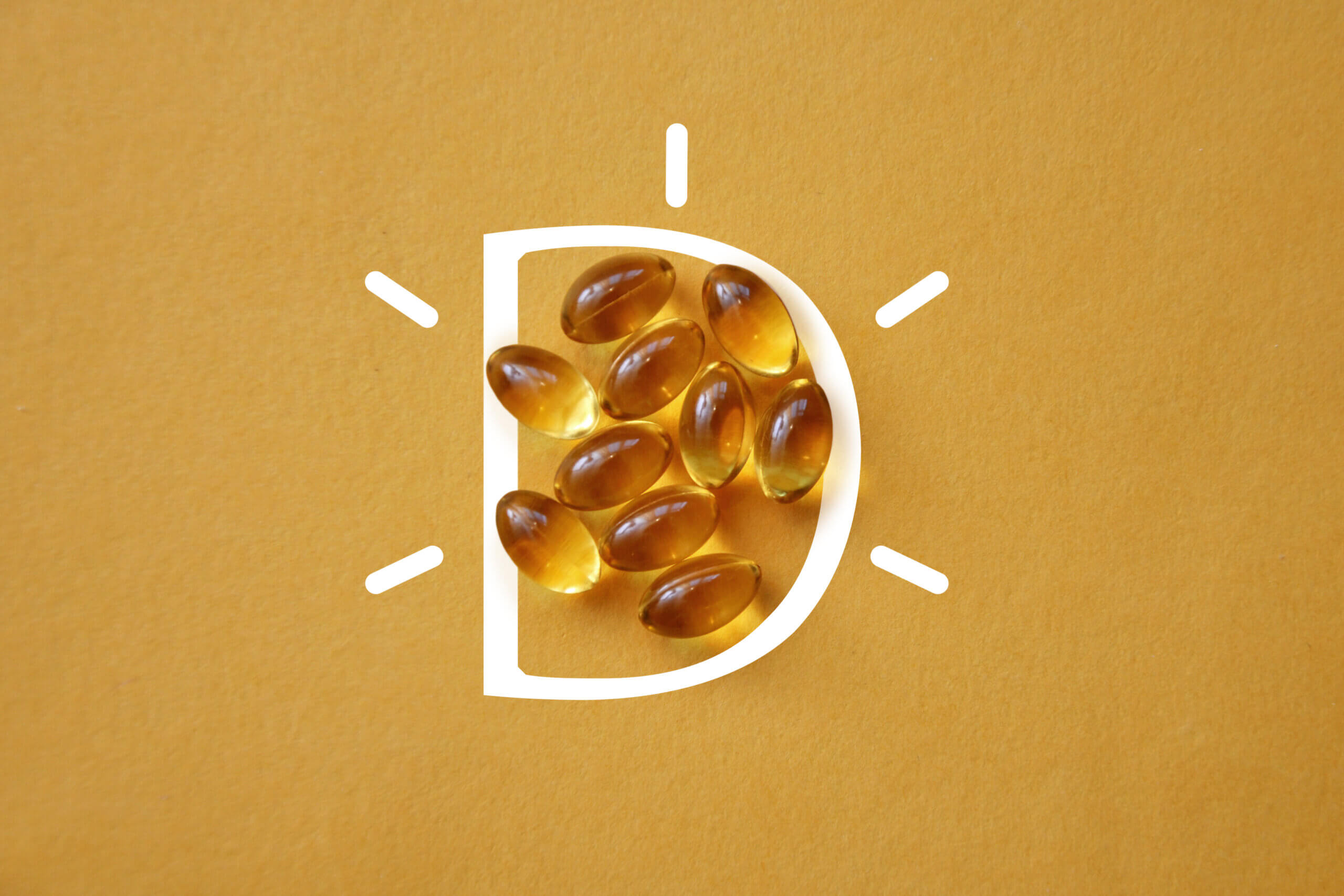
- Consider talking to a healthcare provider about vitamin D supplementation, especially during winter.
5. Stay Socially Connected
Isolation can intensify SAD symptoms.
- Make intentional plans with friends or family, even if you don’t feel like it.
- Join clubs, classes, or online communities for connection.
- Be honest with trusted people about how you’re feeling—support matters.
Emotional Coping Strategies
Beyond physical habits, emotional coping tools are essential.
- Practice self-compassion: Productivity may look different during winter, and that’s okay.
- Challenge negative thoughts: Cognitive Behavioral Therapy (CBT) is especially effective for SAD and can help reframe unhelpful thinking patterns.
- Engage in enjoyable activities: Even if motivation is low, small moments of pleasure—reading, music, crafting—can lift mood over time.
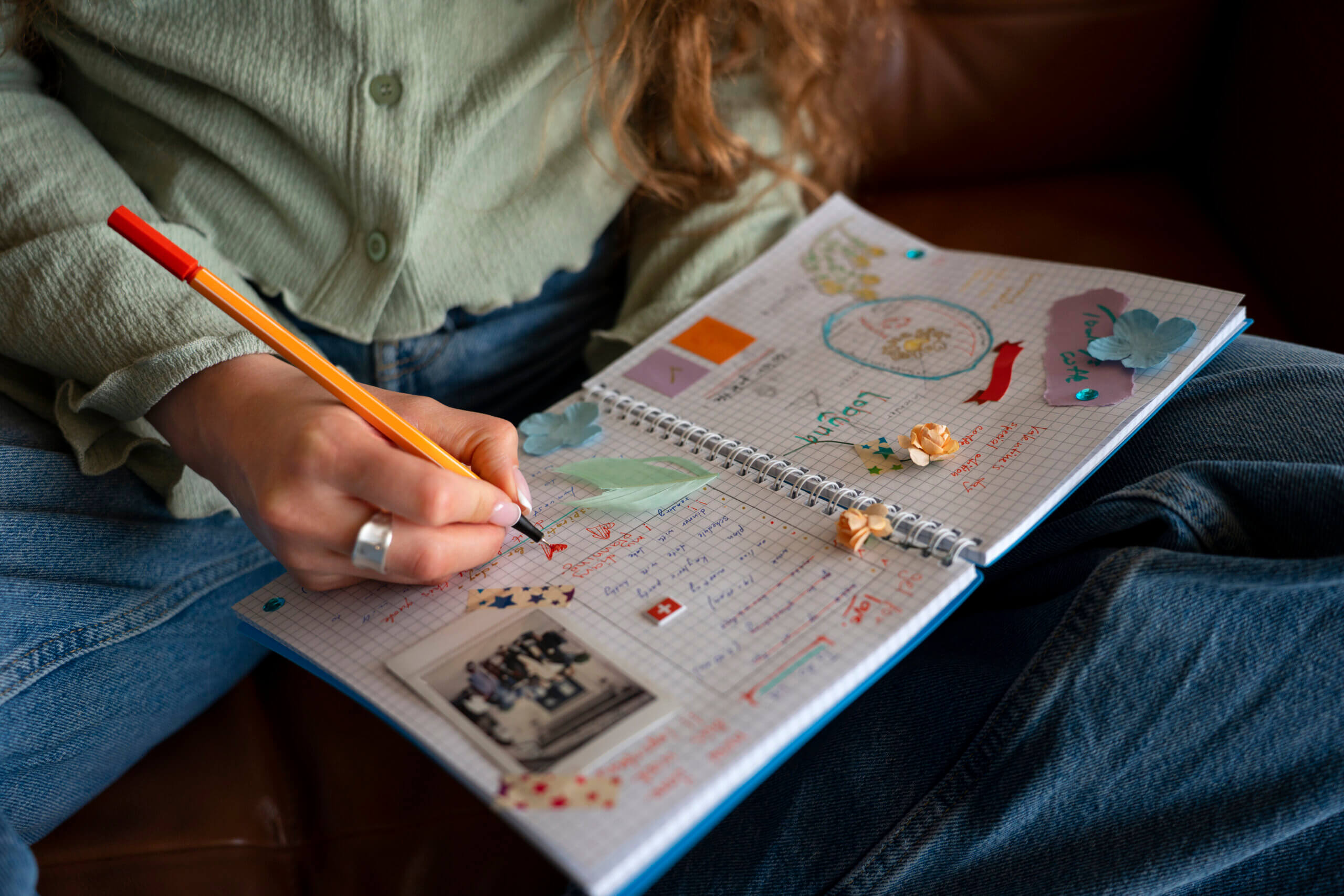
- Practice mindfulness or journaling: These tools help process emotions and reduce rumination.
When to Seek Professional Help
If you’re experiencing symptoms of SAD—whether mild, moderate, or severe—speaking with a healthcare provider can help. Professional support is especially important if symptoms are persistent, interfering with daily life, or include thoughts of self-harm. You don’t need to wait until things feel unmanageable to reach out.
Treatment options may include:
- Therapy (especially CBT)
- Light therapy under medical guidance
- Antidepressant medication
- A combination of approaches tailored to individual needs
Seeking help is a sign of strength—not failure.

Finding Hope in the Seasons
Seasonal Affective Disorder can make winter feel endless, but it is both real and manageable. With the right tools, support, and understanding, many people successfully reduce symptoms and regain a sense of balance.
Most importantly, remember this: you are not alone, and the way you feel is valid. Brighter days—both literal and emotional—are ahead, and help is always available to guide you through the darker seasons.