
 Fair Housing Notice
Nestled in the heart of Buffalo, New York, Delaware Park is more than a place to walk, exercise, or enjoy a sunny afternoon. It is a historic landmark, a community gathering place, and one of the most recognizable outdoor destinations in Western New York. For generations, residents have visited the park to enjoy its open landscapes, scenic views, recreational opportunities, and connection to some of Buffalo’s most important cultural attractions.
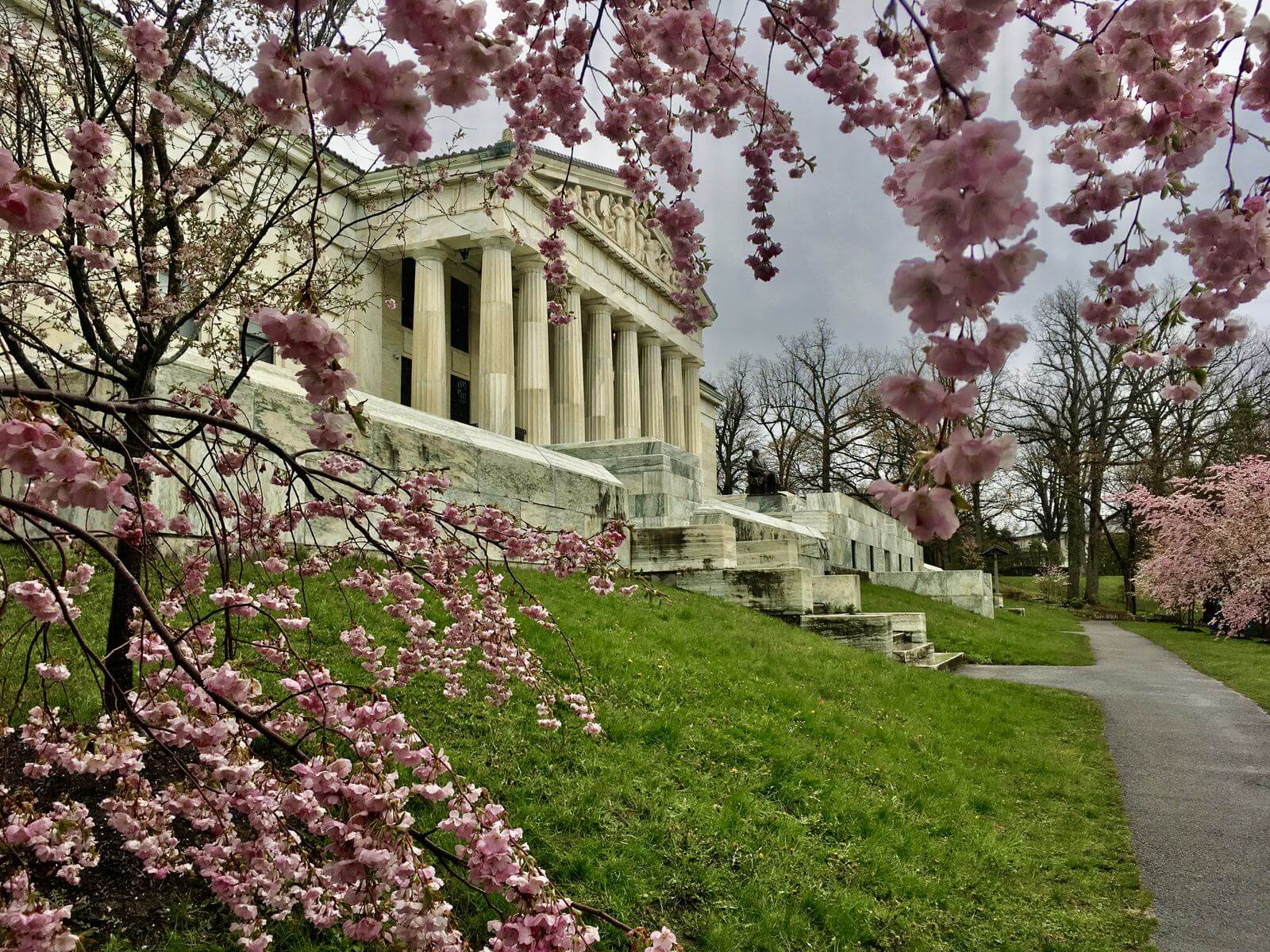
At approximately 350 acres, Delaware Park is the largest of Buffalo’s original parks and serves as the centerpiece of the city’s historic park and parkway system. Designed by renowned landscape architects Frederick Law Olmsted and Calvert Vaux in the late 1800s, the park was created to provide city residents with a peaceful escape from the noise, congestion, and demands of urban life.
More than 150 years later, Delaware Park continues to fulfill that purpose while serving as a vibrant destination for people of all ages.
A Vision That Helped Shape Buffalo
Delaware Park was originally known simply as “The Park.” Olmsted and Vaux designed it as part of an innovative system of interconnected parks and parkways that would bring natural landscapes into the growing city. Buffalo’s park system became one of the earliest coordinated urban park systems in the United States and remains one of the most significant collections of Olmsted-designed landscapes in the country.
Olmsted believed that public parks should offer more than recreation. He viewed green spaces as places where people from different neighborhoods and backgrounds could spend time outdoors, enjoy nature, and experience a sense of calm. Delaware Park was designed to feel like a natural landscape rather than a formal city square. Its broad meadows, mature trees, wooded areas, winding paths, and water features were carefully planned to create a peaceful environment.
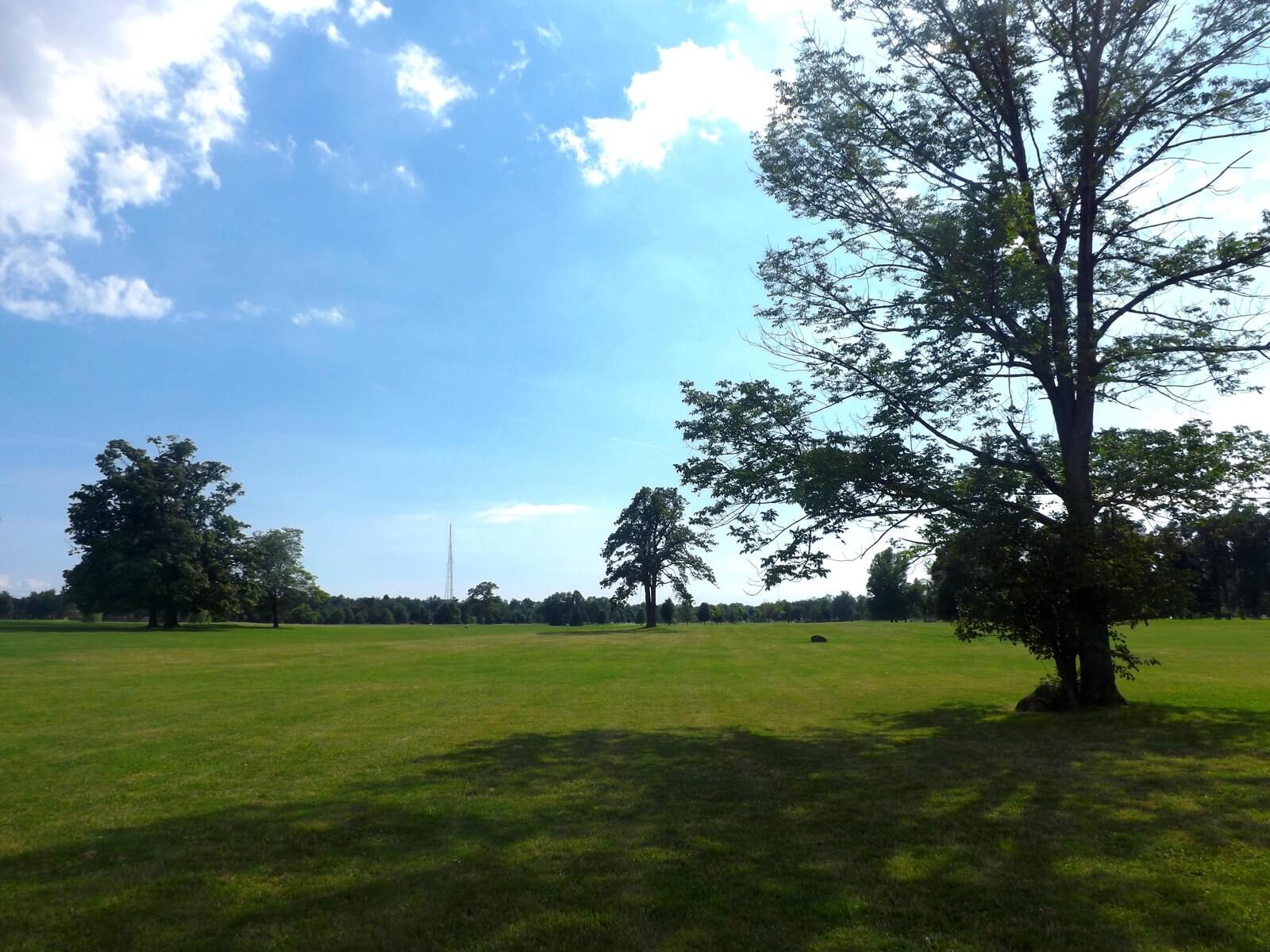
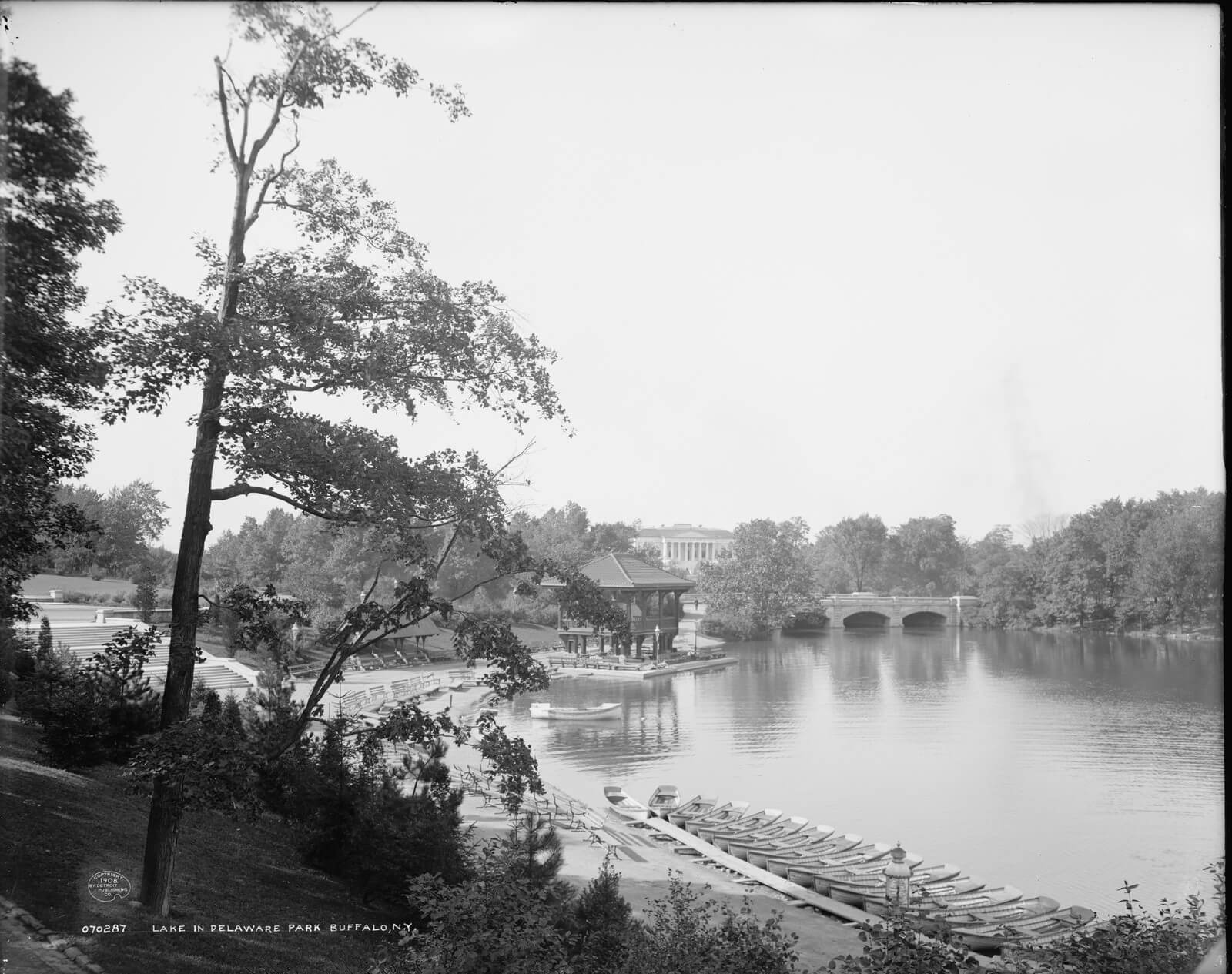
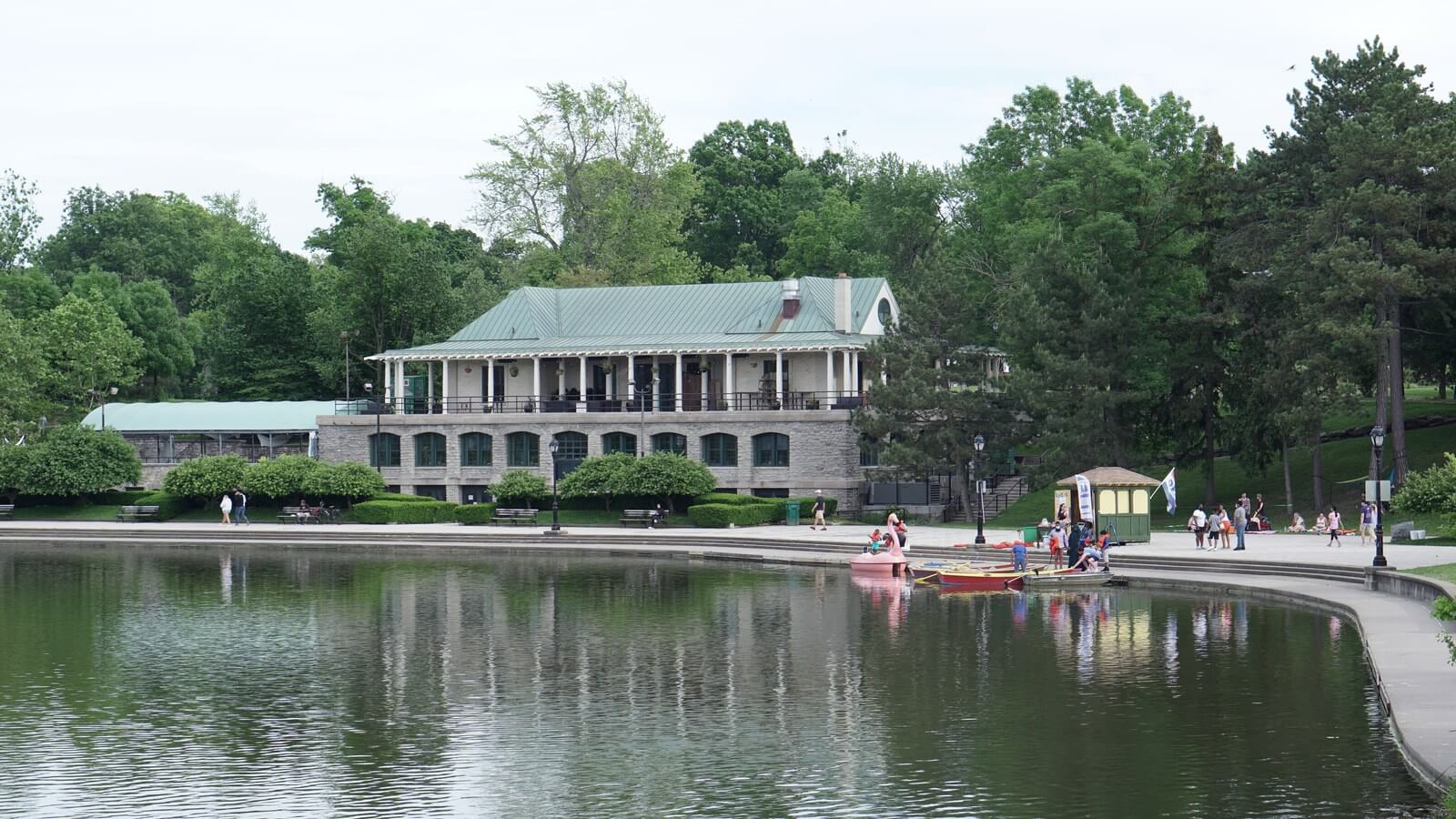
The park’s design includes three major landscape elements: a large meadow, extensive wooded areas, and a prominent water feature now known as Hoyt Lake. These features work together to create changing views and a sense of openness that makes the park feel much larger than its acreage alone might suggest.
A Park for Every Season
One of Delaware Park’s greatest strengths is that it offers something different throughout the year.
During the spring, the park comes alive as trees begin to bloom and the landscape turns green. Residents and visitors return to the walking paths, enjoy the fresh air, and take in views of Hoyt Lake. The area surrounding the park becomes especially active as people visit nearby cultural attractions, restaurants, shops, and neighborhoods.
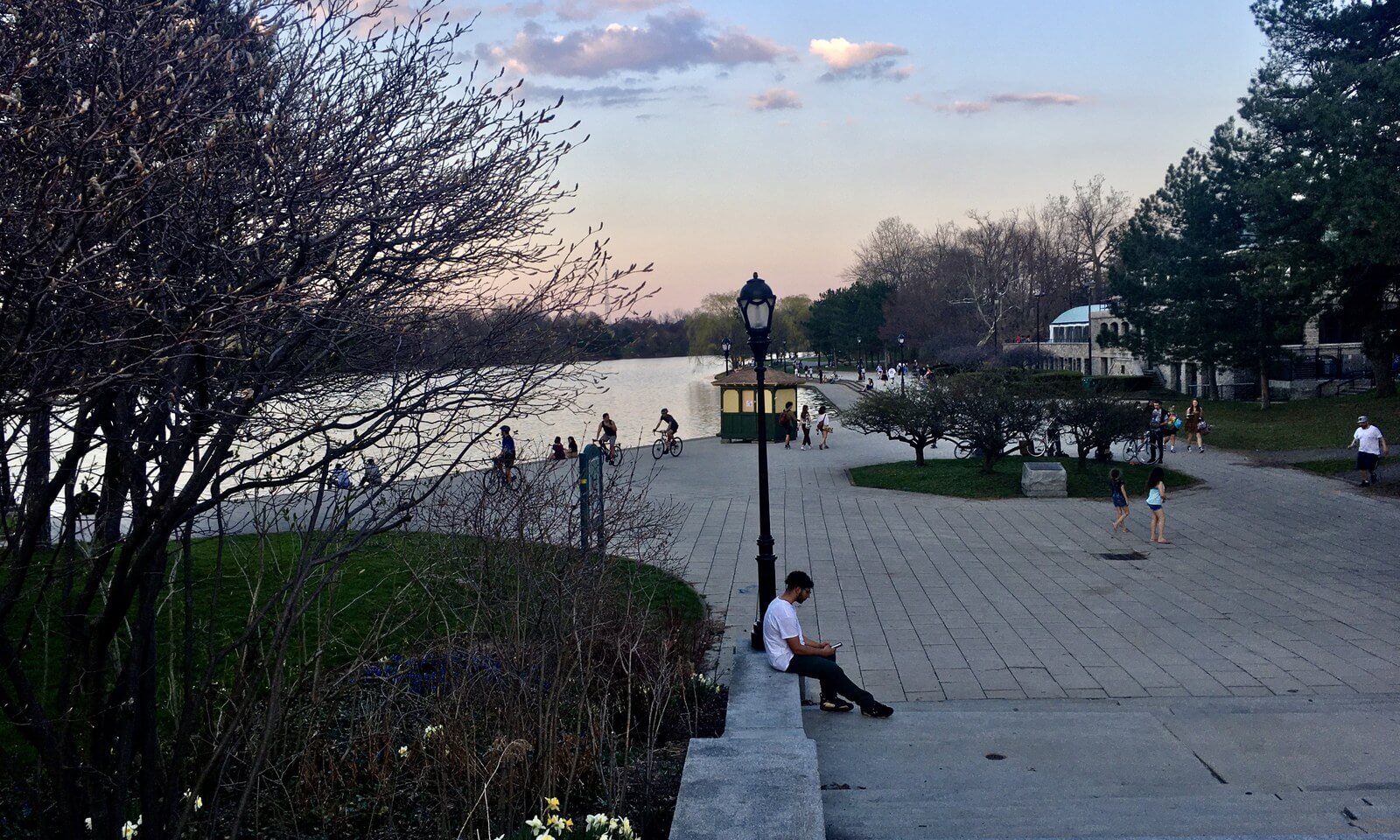
Summer is often the busiest season. Families gather for picnics, friends meet for walks, runners and cyclists use the park’s paths, and visitors relax beneath the shade of its mature trees. The open meadow provides space to enjoy the outdoors, while the lake and surrounding landscape create a scenic backdrop for recreation and community events.
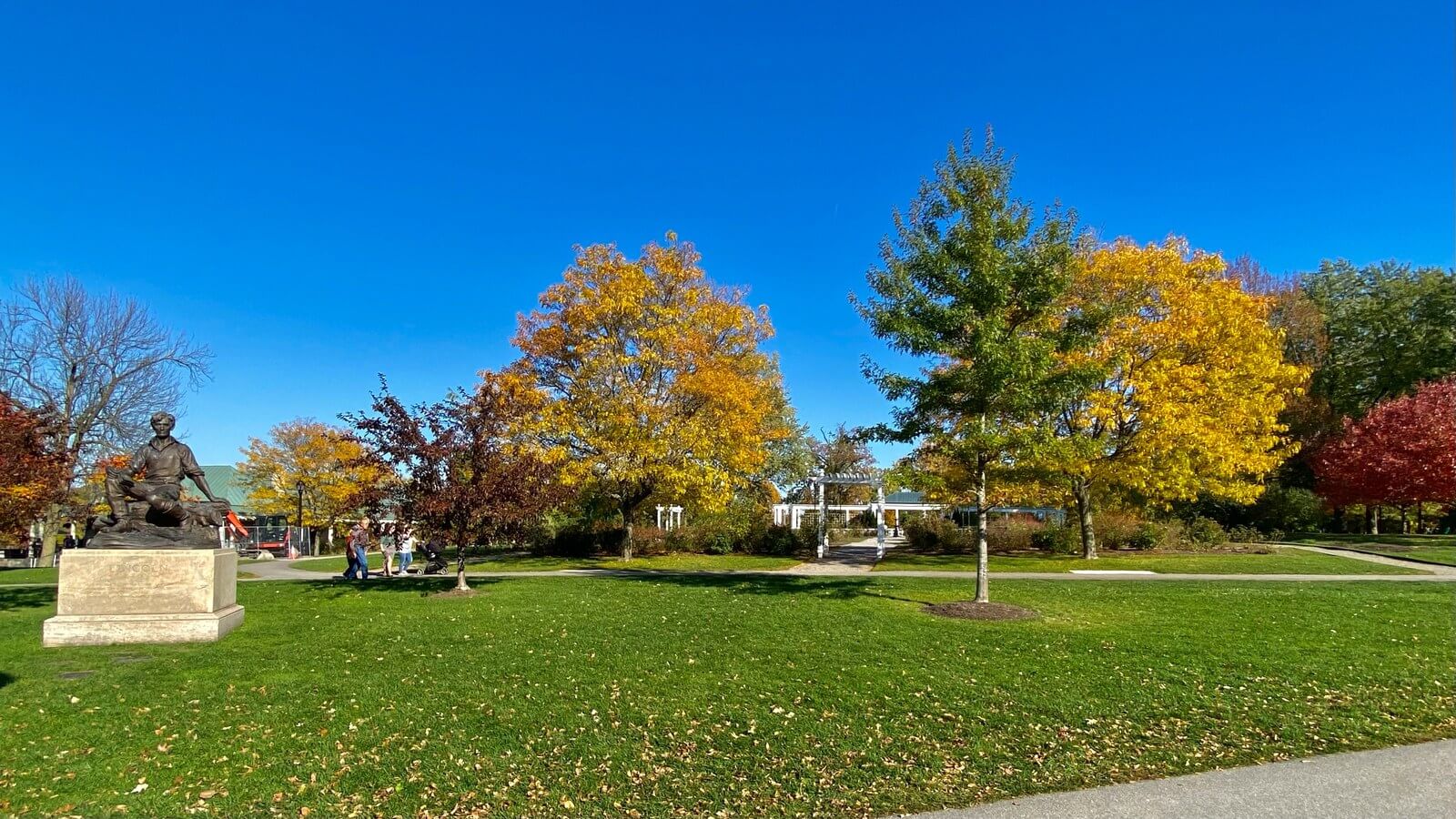
In autumn, Delaware Park becomes one of Buffalo’s most beautiful locations. The changing leaves bring shades of red, orange, and gold to the park’s trees and pathways. Cooler temperatures make the park a popular destination for walking, jogging, photography, and enjoying the fall scenery.
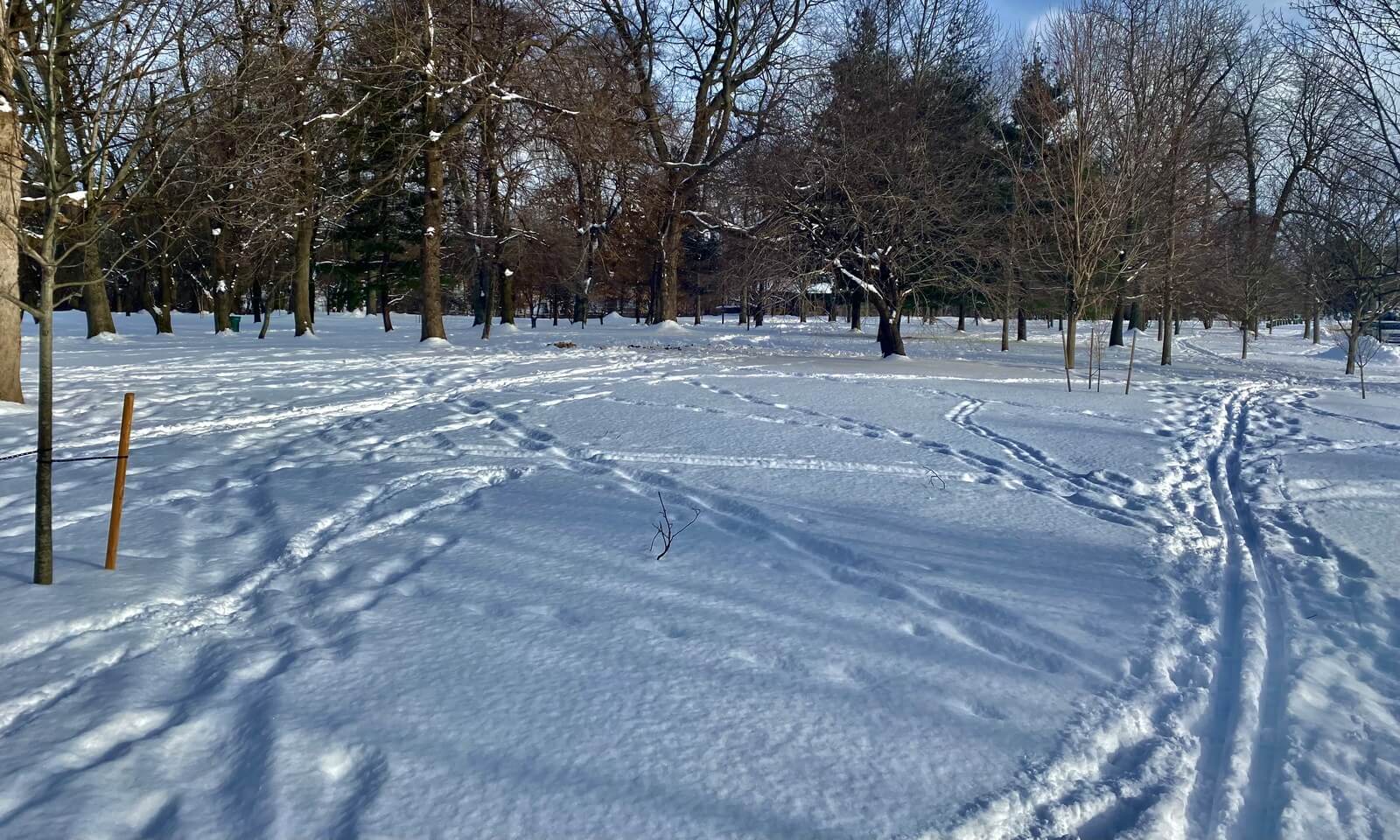
Winter gives Delaware Park a quieter character. Snow-covered trees and open fields create a peaceful setting, while the park remains an important place for residents to get outside and enjoy Buffalo’s winter landscape. The park was originally designed with seasonal activities in mind, including boating during warmer weather and skating during colder months.
Recreation and Outdoor Activities
Delaware Park offers opportunities for both active recreation and quiet relaxation. Visitors can walk, run, bike, enjoy a picnic, or simply sit beneath a tree and take in the surroundings. The park’s open spaces make it easy for families, friends, and individuals to create their own experiences.
The park is also home to an 18-hole public golf course. The course provides an accessible opportunity for local residents and visitors to enjoy golf within one of Buffalo’s most historic landscapes.
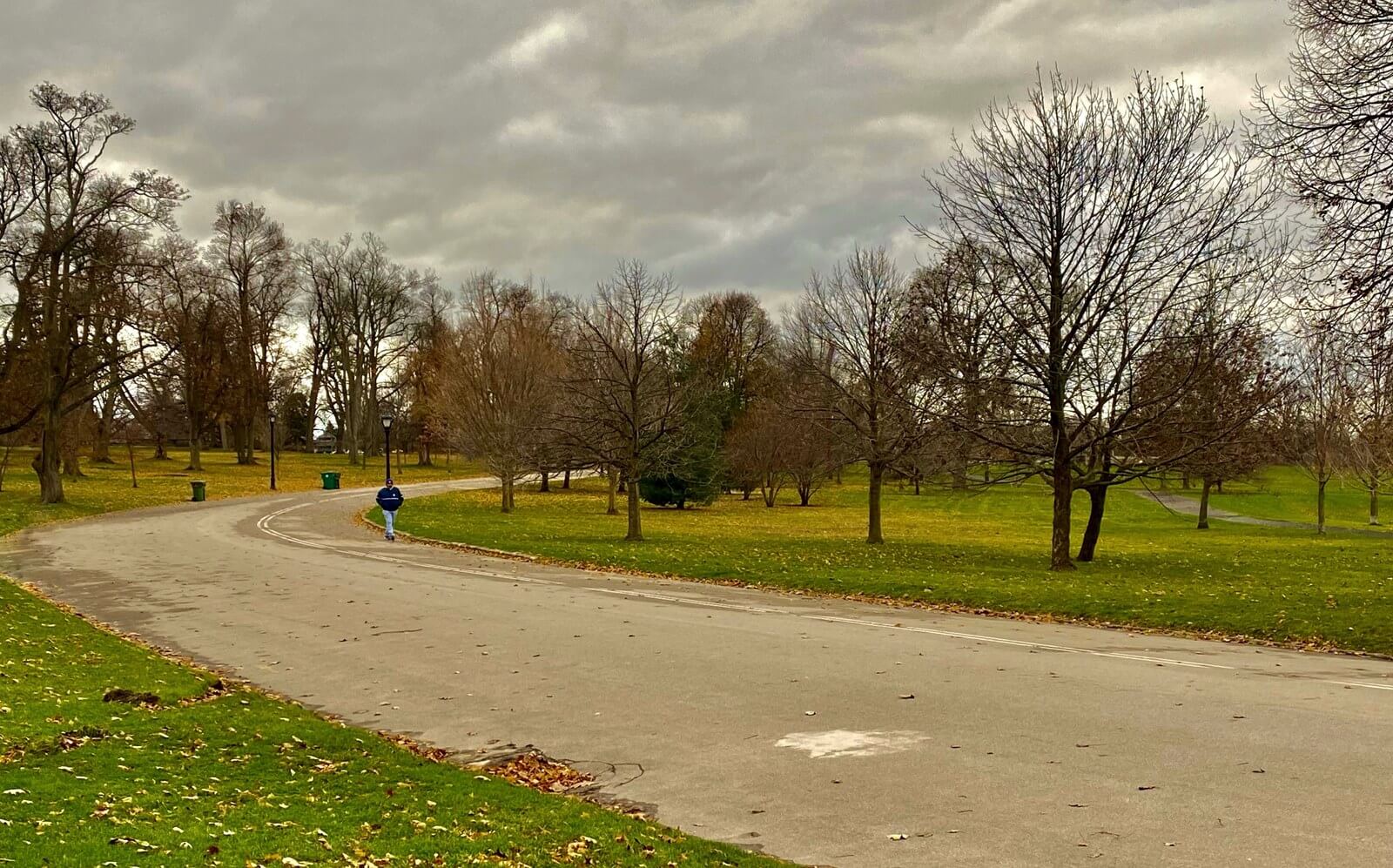
For many people, however, the park’s greatest attraction is its simplicity. A walk around the park can provide a break from work, traffic, technology, and daily responsibilities. Whether someone is taking a morning jog, walking a dog, meeting friends, or enjoying a quiet afternoon, Delaware Park offers a welcoming setting close to the city.
A Center for Buffalo Culture
Delaware Park is surrounded by some of Buffalo’s most notable cultural and architectural destinations. The park is home to the Buffalo Zoo, which has been part of the landscape since the 1800s and continues to attract families and visitors from throughout the region.

The Buffalo History Museum is also located near the park and overlooks Mirror Lake. Its impressive building was originally constructed as the New York State Pavilion for the 1901 Pan-American Exposition. Today, the museum preserves and shares the history of Buffalo and Western New York while adding another important cultural destination to the park.
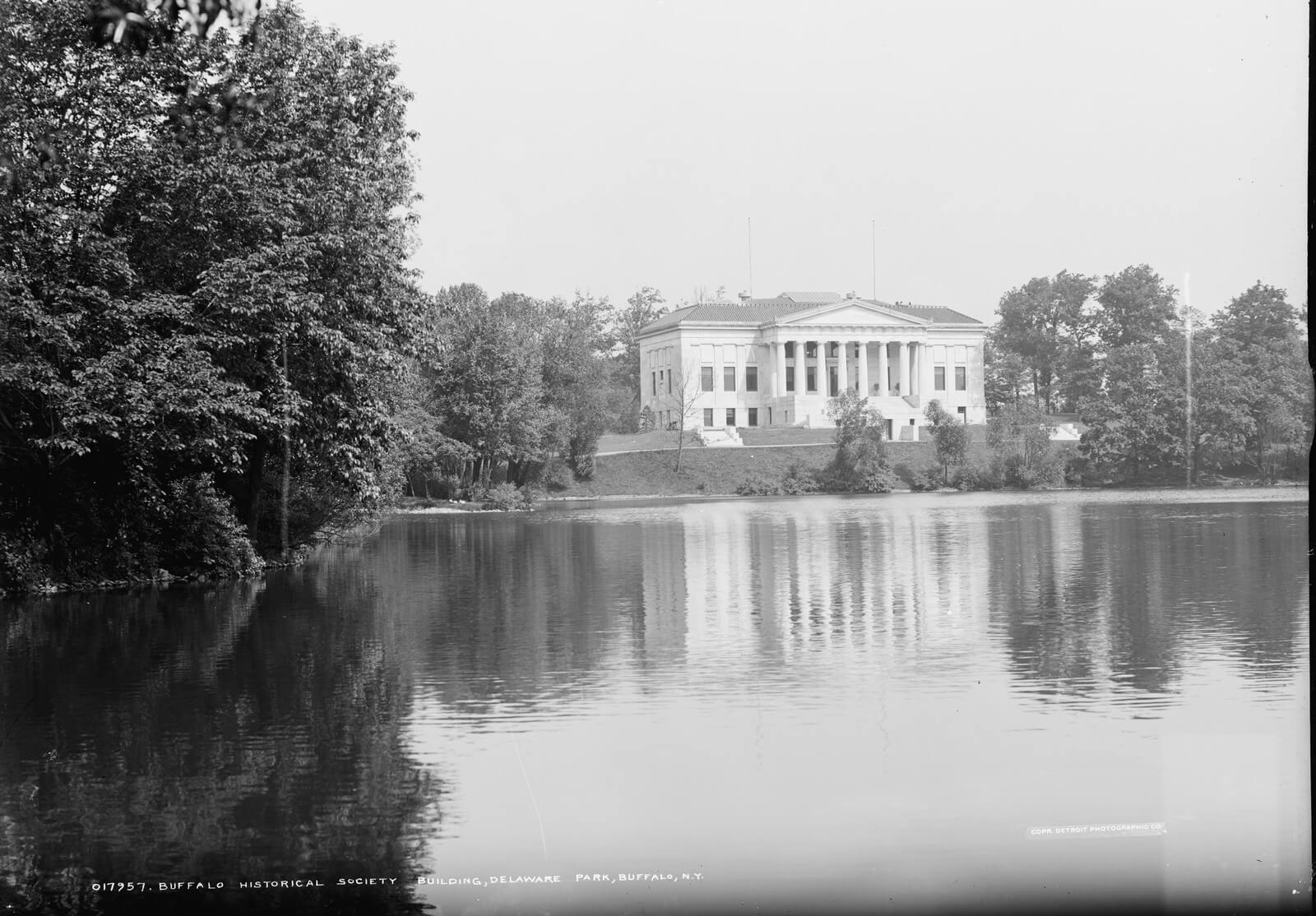
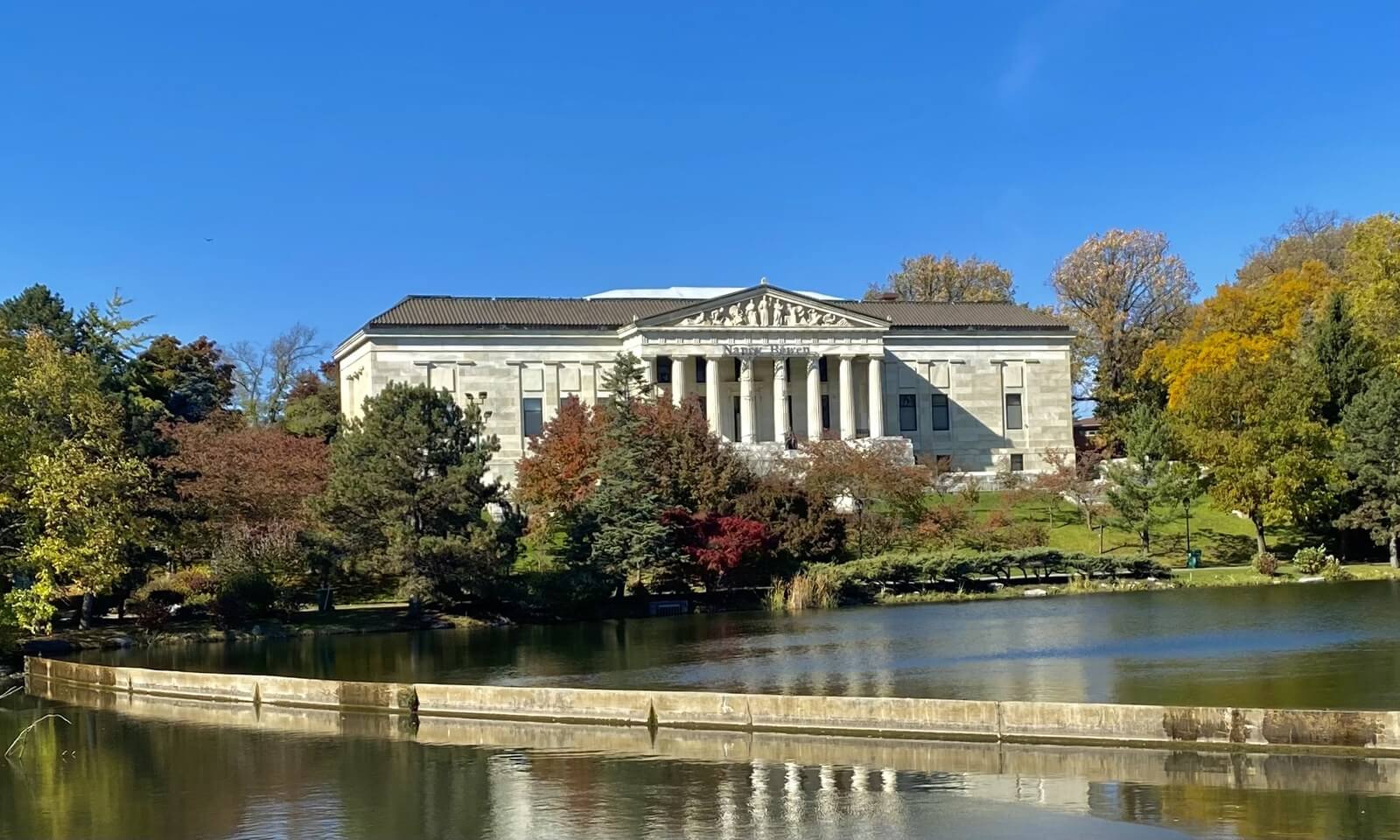
Delaware Park is also close to the Elmwood Village, Parkside neighborhood, and other areas known for their historic homes, local businesses, restaurants, and community events. This connection makes the park an important part of the larger neighborhood experience. Visitors can spend time outdoors and then explore nearby shops, enjoy a meal, or visit one of Buffalo’s cultural institutions.
A Community Landmark
Delaware Park is not simply a historic attraction. It is a living part of Buffalo’s identity.
Residents have grown up visiting the park, attending events, playing sports, walking with family members, and creating memories throughout the seasons. For many people, the park is tied to everyday routines as much as special occasions. It may be the place where they exercise before work, take children to play, meet friends on the weekend, or enjoy a quiet walk after a long day.
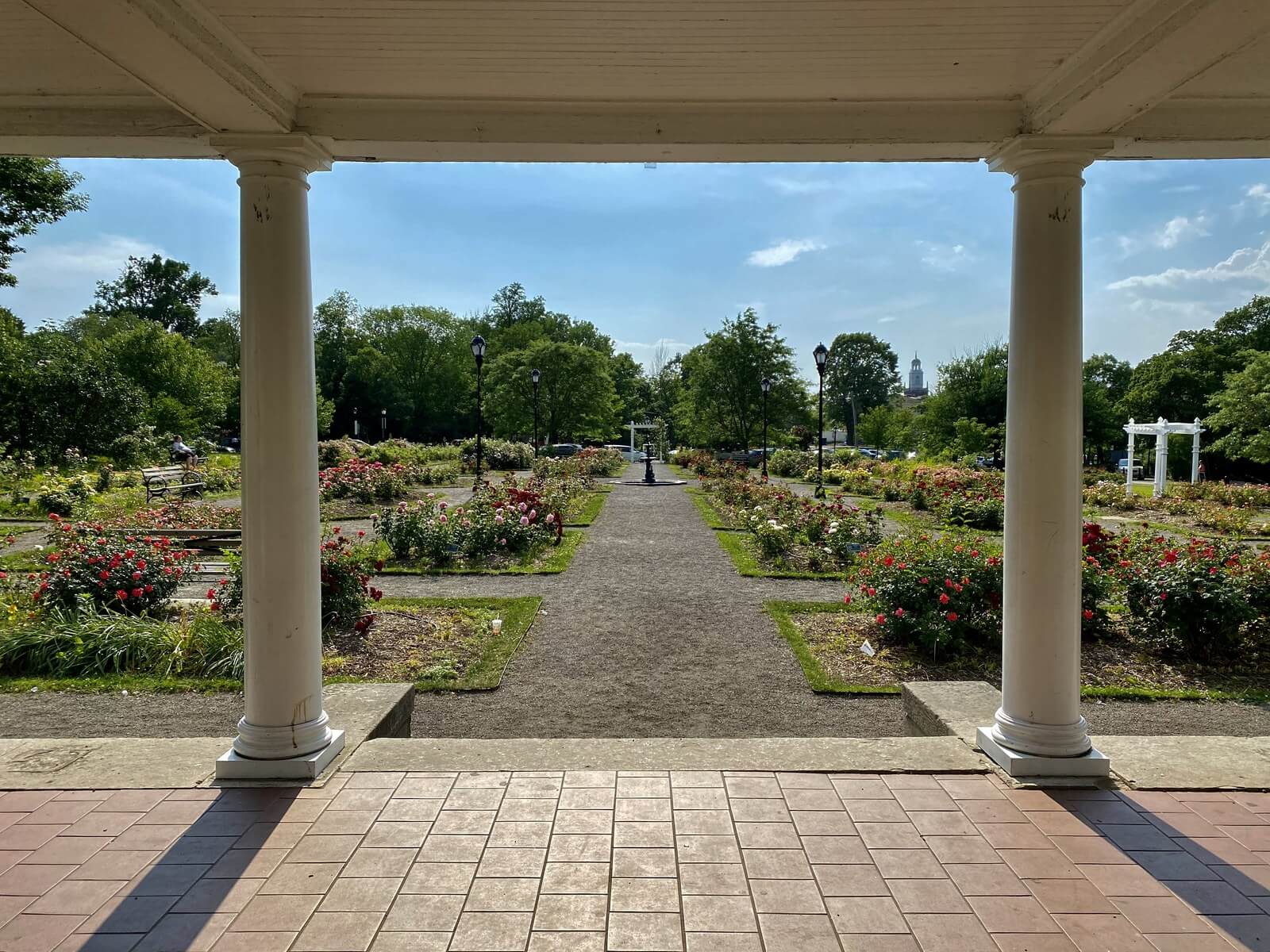
The park also demonstrates the lasting value of investing in public green space. As cities continue to grow and change, parks provide places where people can connect with nature and with one another. Delaware Park’s continued use shows that thoughtful landscape design can remain meaningful for generations.
Looking Toward the Future
Like all historic public spaces, Delaware Park requires ongoing care, maintenance, and preservation. Protecting its trees, pathways, open areas, and historic character is important not only for today’s visitors but also for future generations.
The Buffalo Olmsted Parks Conservancy plays an important role in maintaining and preserving the city’s Olmsted park system. Continued community support, responsible use, and investment help ensure that Delaware Park remains a safe, attractive, and welcoming place for everyone.
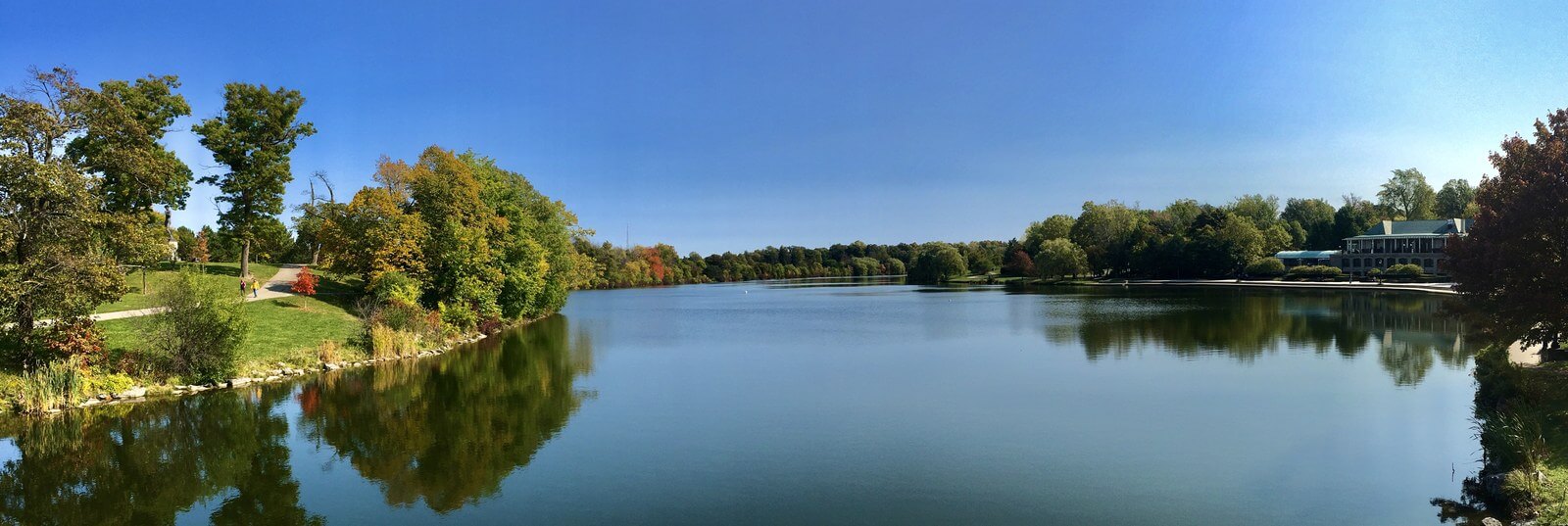
Delaware Park has changed over the years, but its central purpose has remained the same: to provide a place where people can step away from the pace of city life and enjoy the beauty of the outdoors.
Whether you are a lifelong Buffalo resident, a new member of the community, or a visitor exploring the city for the first time, Delaware Park offers something special. Its history, natural beauty, recreational opportunities, and connection to Buffalo’s culture make it one of the city’s greatest treasures.
More than a park, Delaware Park is a gathering place, a historic landscape, and a lasting symbol of what makes Buffalo unique.