
 Fair Housing Notice
Living in a studio apartment can be both exciting and challenging. On one hand, it’s often more affordable and easier to maintain than larger homes. On the other hand, fitting your bedroom, living room, kitchen, and workspace into a single open area can feel overwhelming. The good news is that with the right strategies, you can transform even the smallest studio into a comfortable, functional, and stylish space.
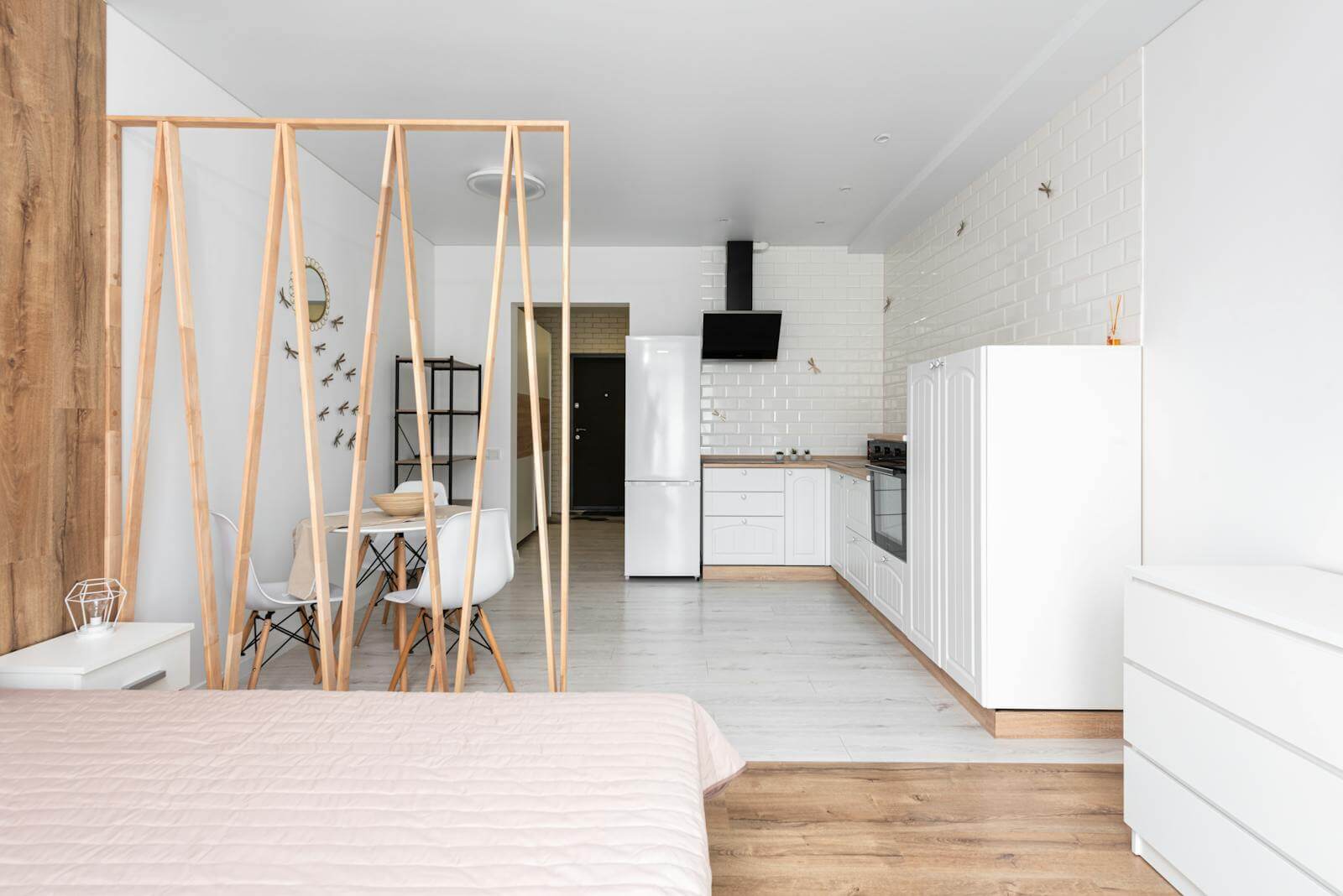
Here are practical tips to help you maximize every square foot of your studio apartment.
Start With a Smart Layout
The first step to making the most of a studio apartment is creating a layout that works for your lifestyle. Because everything shares one room, thoughtful furniture placement can make a big difference.
Begin by identifying your key zones: sleeping, relaxing, eating, and possibly working. Arrange furniture to naturally separate these areas without closing off the space. For example, placing your couch between the bed and living area can help create a visual boundary.
Avoid pushing all furniture against the walls. Sometimes pulling pieces slightly inward can create better flow and make the room feel more intentional rather than cramped.
Before moving heavy furniture, try sketching a simple floor plan or using painter’s tape on the floor to visualize how different arrangements might work.
Choose Multi-Functional Furniture
In a studio apartment, every piece of furniture should ideally serve more than one purpose. Multi-functional furniture helps reduce clutter and keeps your living area open.
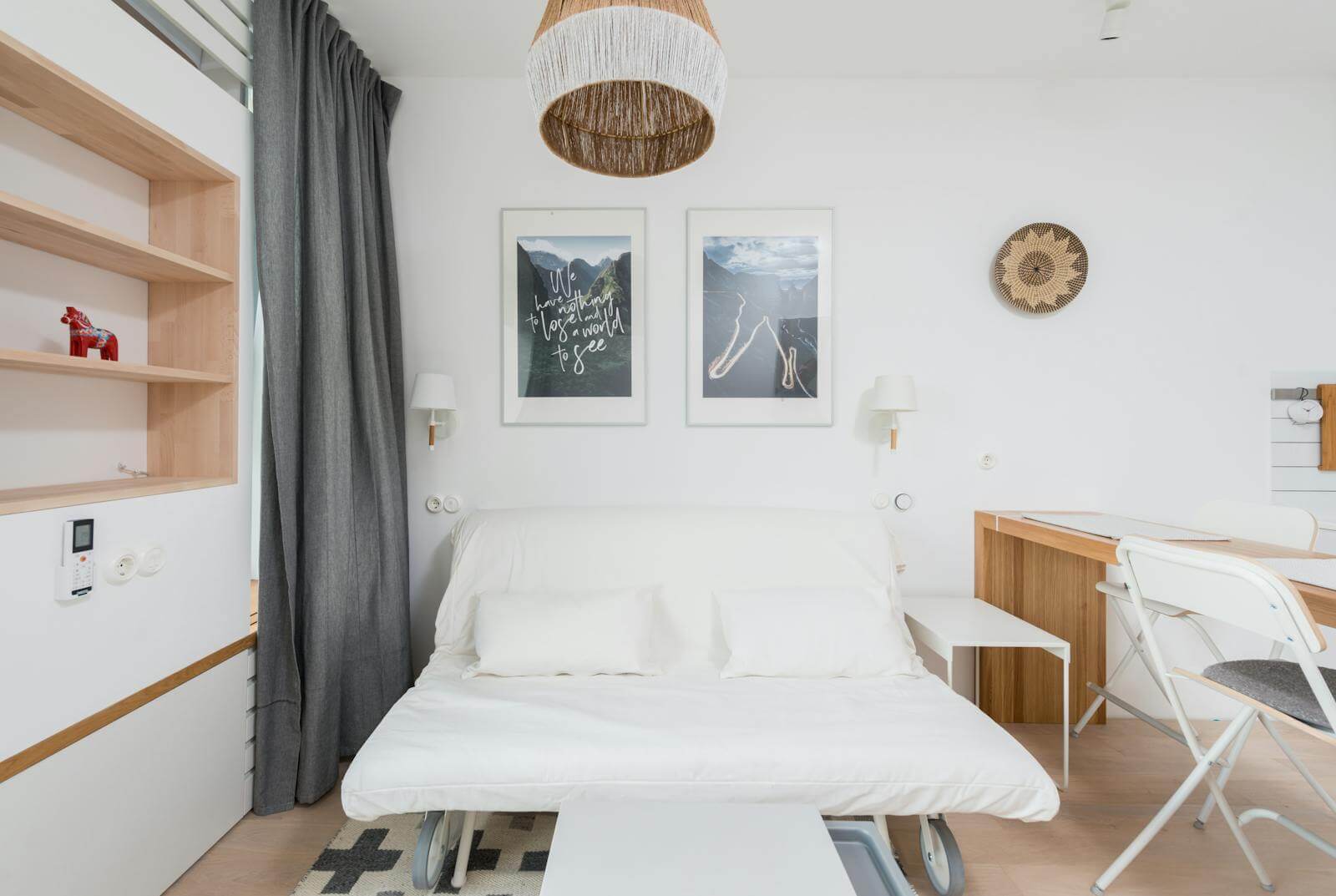
Some useful options include:
- Sofa beds or futons that transform your living space into a sleeping area
- Storage ottomans that double as seating and storage
- Drop-leaf tables that expand when needed and fold away afterward
- Beds with built-in drawers underneath for extra storage
Another great option is a fold-down wall desk, which can create a workspace without permanently taking up floor space.
The goal is to minimize the number of separate furniture pieces while maximizing functionality.
Use Vertical Space
When floor space is limited, look upward. Vertical storage can dramatically increase how much you can store without making your apartment feel crowded.
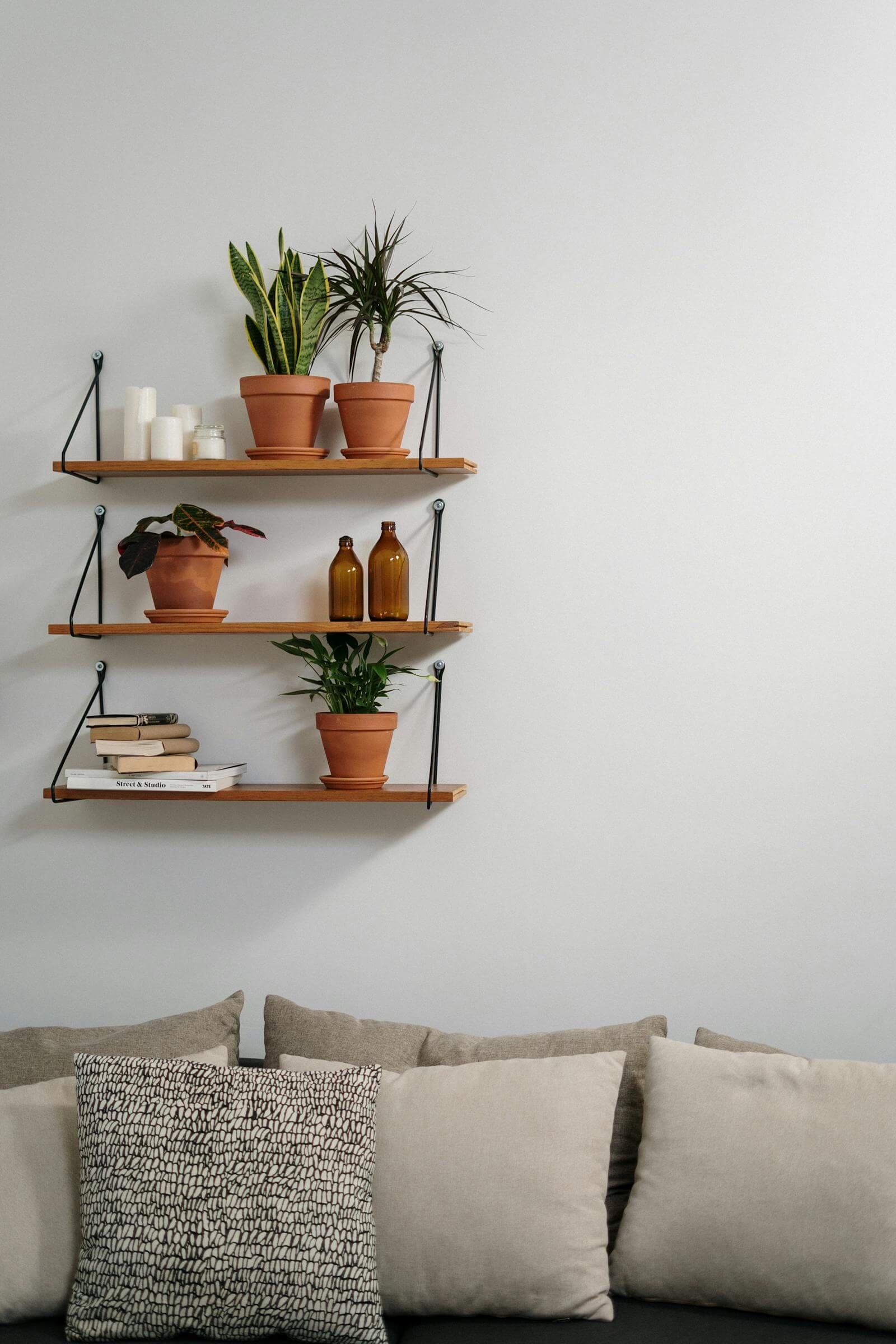
Tall bookshelves, wall-mounted cabinets, and floating shelves allow you to keep items organized while freeing up valuable floor area. Install shelves above desks, couches, or doorways to store books, decor, or storage bins.
Hooks and pegboards are also excellent vertical solutions. They can hold bags, hats, kitchen tools, or even small plants.
Using vertical space not only creates storage but also draws the eye upward, which can make a room feel larger.
Create Visual Zones
Even though a studio apartment is technically one room, dividing it into distinct areas can make it feel more like a full home.
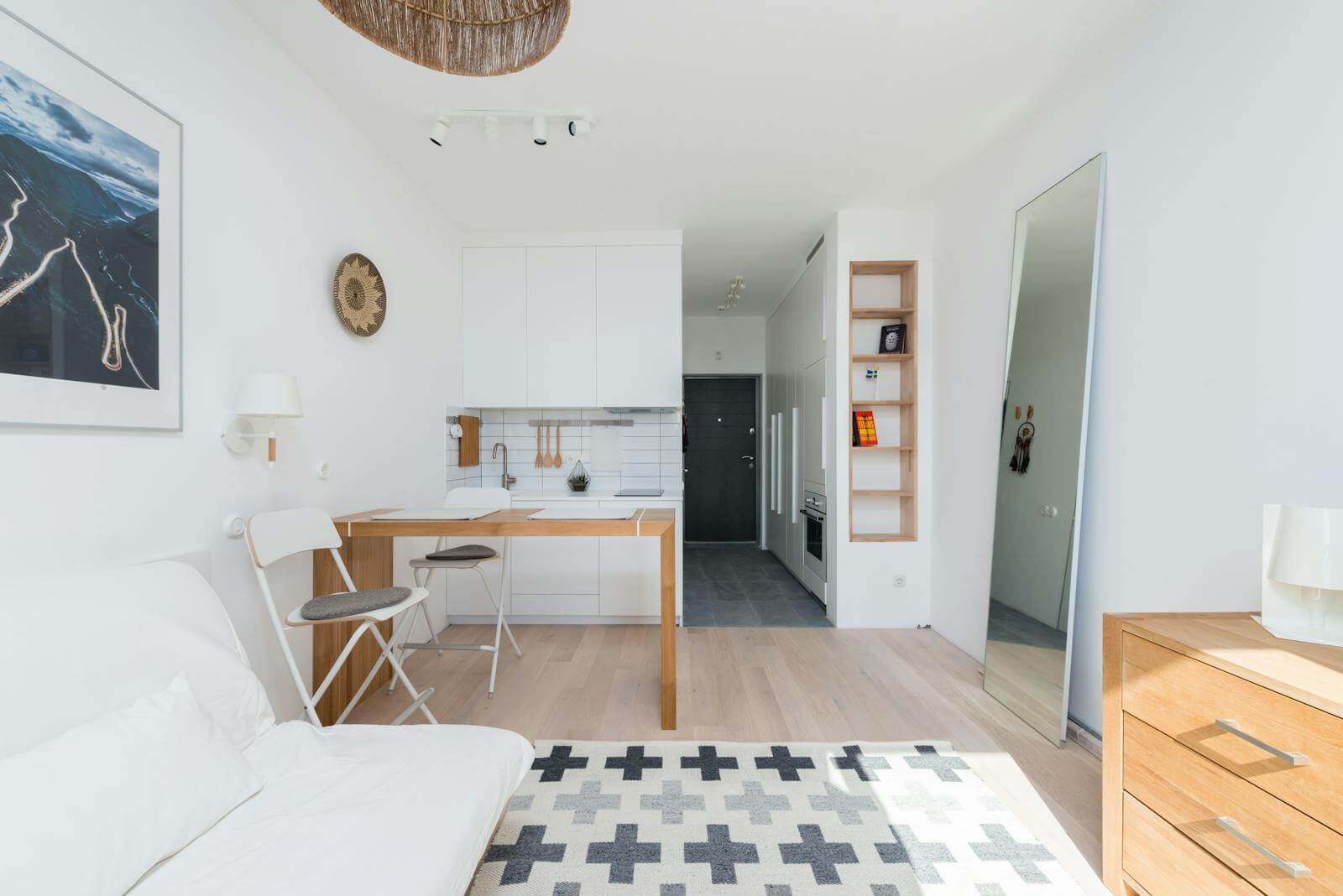
You can create visual separation without building permanent walls by using:
- Area rugs to define different zones
- Open shelving units that act as room dividers
- Curtains or folding screens for privacy around the bed
- Different lighting for each area
For example, a rug under the couch and coffee table can define the living room area, while a smaller rug near the bed signals the sleeping space.
This approach helps the apartment feel organized rather than cluttered.
Keep Clutter Under Control
Clutter is the biggest enemy of small spaces. In a studio apartment, even a small amount of mess can make the room feel crowded.
Adopt a habit of regularly decluttering and only keeping items you truly use or enjoy. Storage baskets, drawer organizers, and labeled containers can make it easier to keep things tidy.
Hidden storage is particularly helpful. Furniture with built-in storage, under-bed bins, and decorative baskets can keep items out of sight while still accessible.
A good rule for small spaces is: everything should have a designated place.
Use Light Colors and Mirrors
Design choices can influence how large or small a space feels. Light colors tend to reflect more light, making rooms appear bigger and more open.
Consider using neutral or light shades for walls, bedding, and larger furniture pieces. You can still add personality with colorful pillows, artwork, or small decor items.
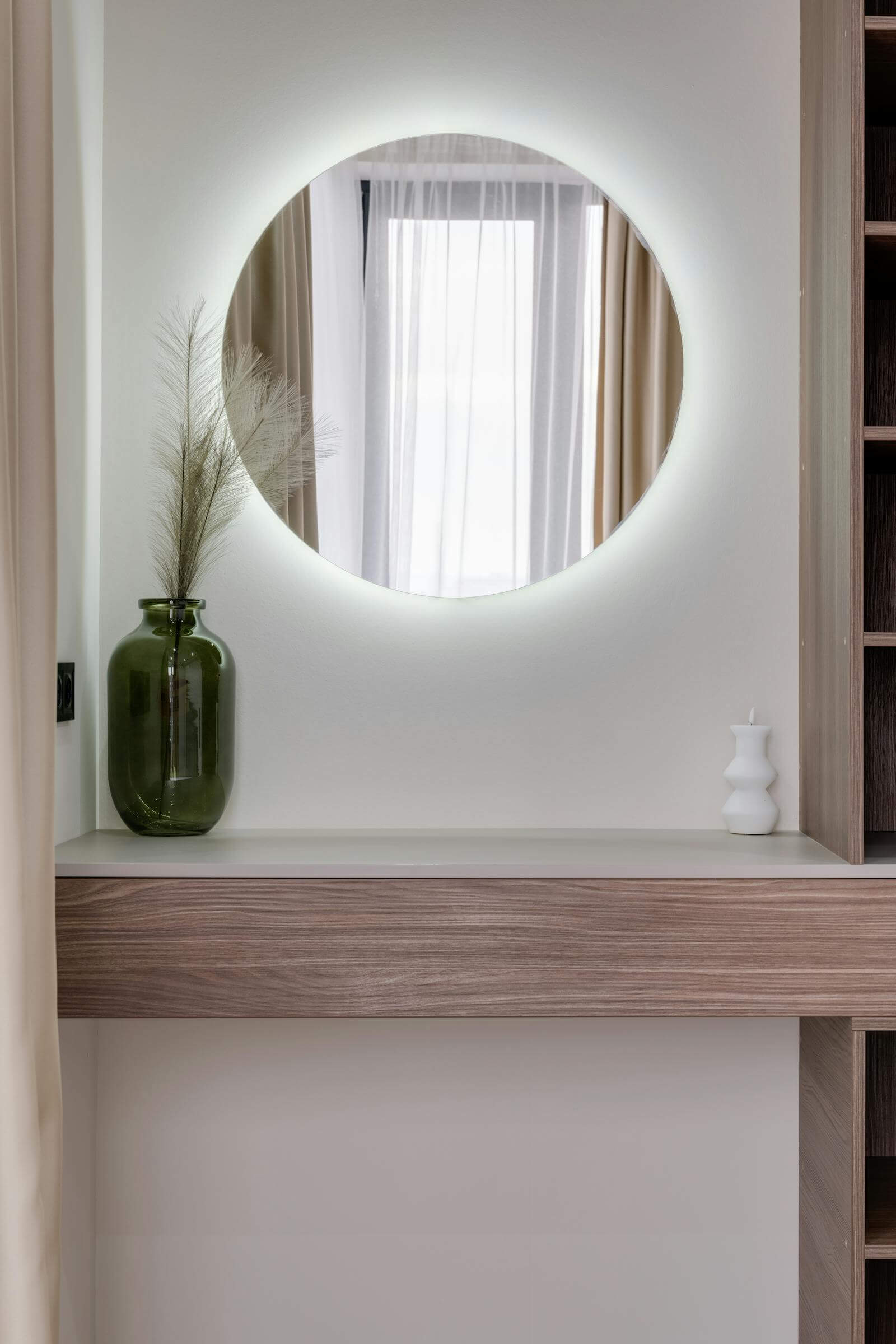
Mirrors are another powerful tool in small apartments. A large mirror can reflect natural light and visually double the space, making the room feel brighter and more spacious.
Placing a mirror across from a window often produces the best effect.
Take Advantage of Hidden Storage
Many studio apartments have overlooked storage opportunities. Look for creative ways to store items in places that might otherwise go unused.
Some examples include:
- Under-bed storage containers
- Over-the-door organizers
- Storage benches
- Stackable storage boxes in closets
If your bed sits low to the ground, consider bed risers to create more room underneath. This extra space can store seasonal clothing, extra bedding, or luggage.
The more items you can store out of sight, the more open your apartment will feel.
Keep Furniture Proportional
Large, bulky furniture can overwhelm a small studio. Choosing pieces that are appropriately sized for the space will help maintain a balanced look.
Instead of oversized sofas or heavy tables, opt for sleek designs with exposed legs. Furniture with visible space underneath creates a lighter visual feel and helps the room look less crowded.
Glass or acrylic furniture can also work well in small apartments because it takes up less visual space.
The goal is to maintain comfort without sacrificing openness.
Use Smart Lighting
Lighting can dramatically change how spacious a room feels. A well-lit studio feels larger and more inviting.
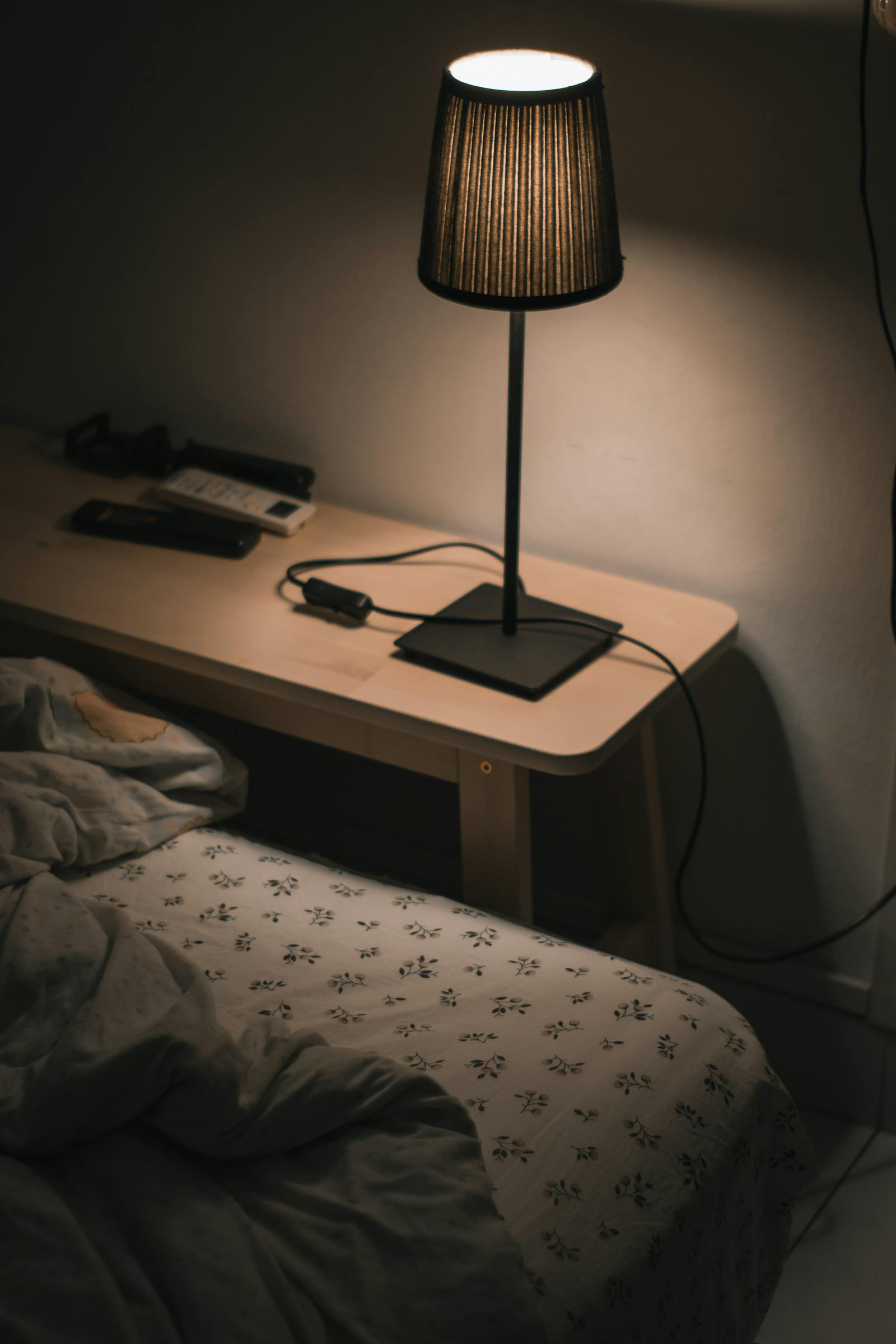
Instead of relying on one overhead light, layer different types of lighting throughout the apartment. For example:
- Floor lamps in the living area
- Task lighting at a desk
- Soft bedside lamps for the sleeping zone
Multiple light sources add depth and make the space feel more dynamic.
Warm lighting can also create a cozy atmosphere, which is especially important in a small home.
Personalize Without Overcrowding
A studio apartment should still feel like home, but it’s important not to overfill the space with decor.
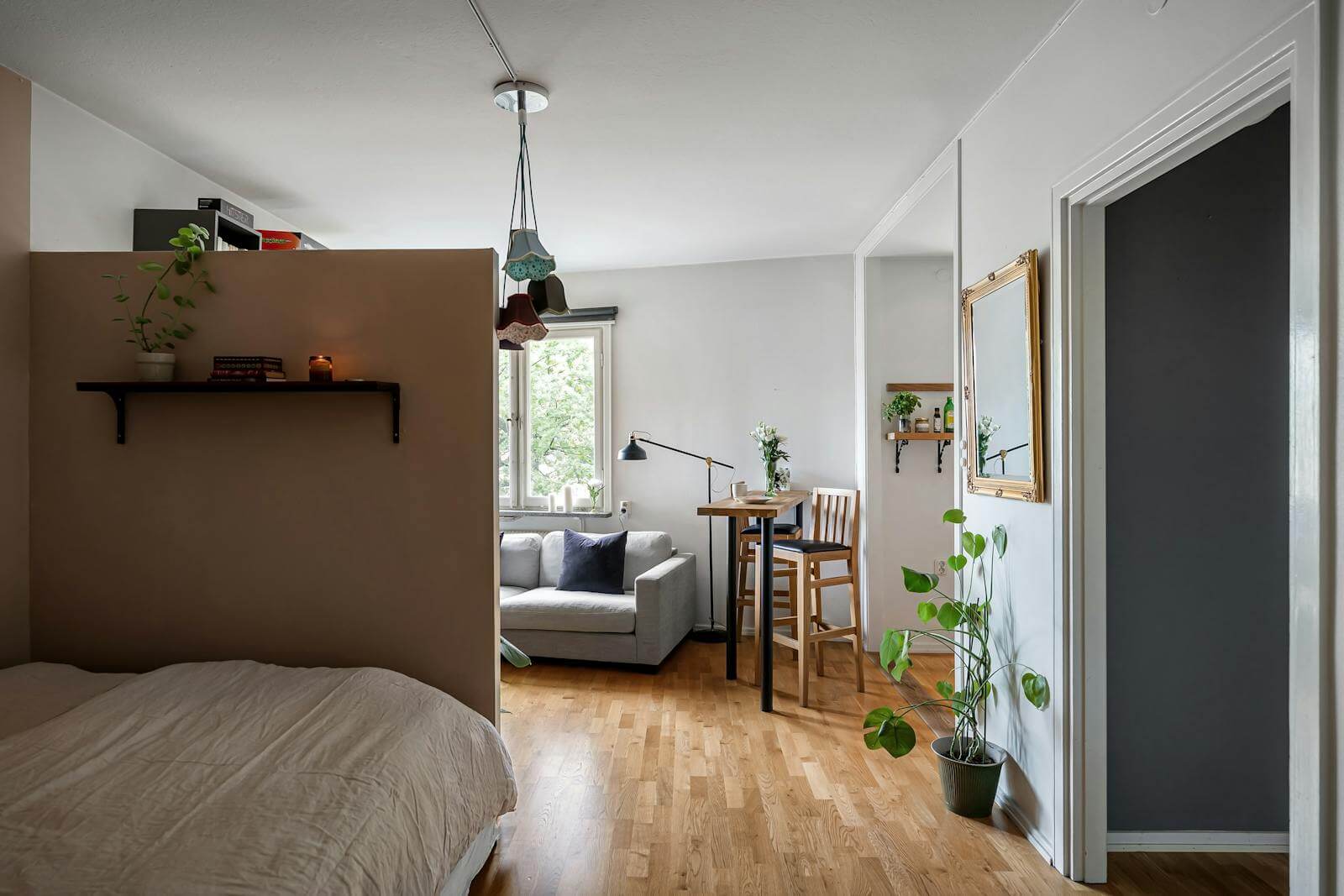
Choose a few meaningful pieces such as artwork, plants, or decorative pillows that reflect your personality. Wall art is a great option because it adds character without taking up floor space.
Plants are another excellent addition. Even a few small plants can bring life and freshness to a compact apartment.
Focus on quality over quantity when decorating.
Final Thoughts
Maximizing space in a studio apartment is all about smart design choices and intentional organization. By using multi-functional furniture, taking advantage of vertical storage, creating visual zones, and keeping clutter under control, you can turn a small space into a comfortable and efficient home.
With a little creativity and planning, a studio apartment can feel surprisingly spacious and stylish. Instead of seeing limited square footage as a restriction, think of it as an opportunity to design a home that is simple, organized, and perfectly suited to your lifestyle.