
 Fair Housing Notice
Weather patterns around the world are influenced by many factors, but few have as much reach and significance as La Niña. This naturally occurring climate phenomenon develops in the tropical Pacific Ocean and can affect temperatures, rainfall, storms, agriculture, and water resources across multiple continents. As meteorologists and climate scientists monitor changing ocean conditions, the potential arrival or strengthening of a La Niña event often becomes a major topic of discussion because of its far-reaching consequences.
What Is La Niña?
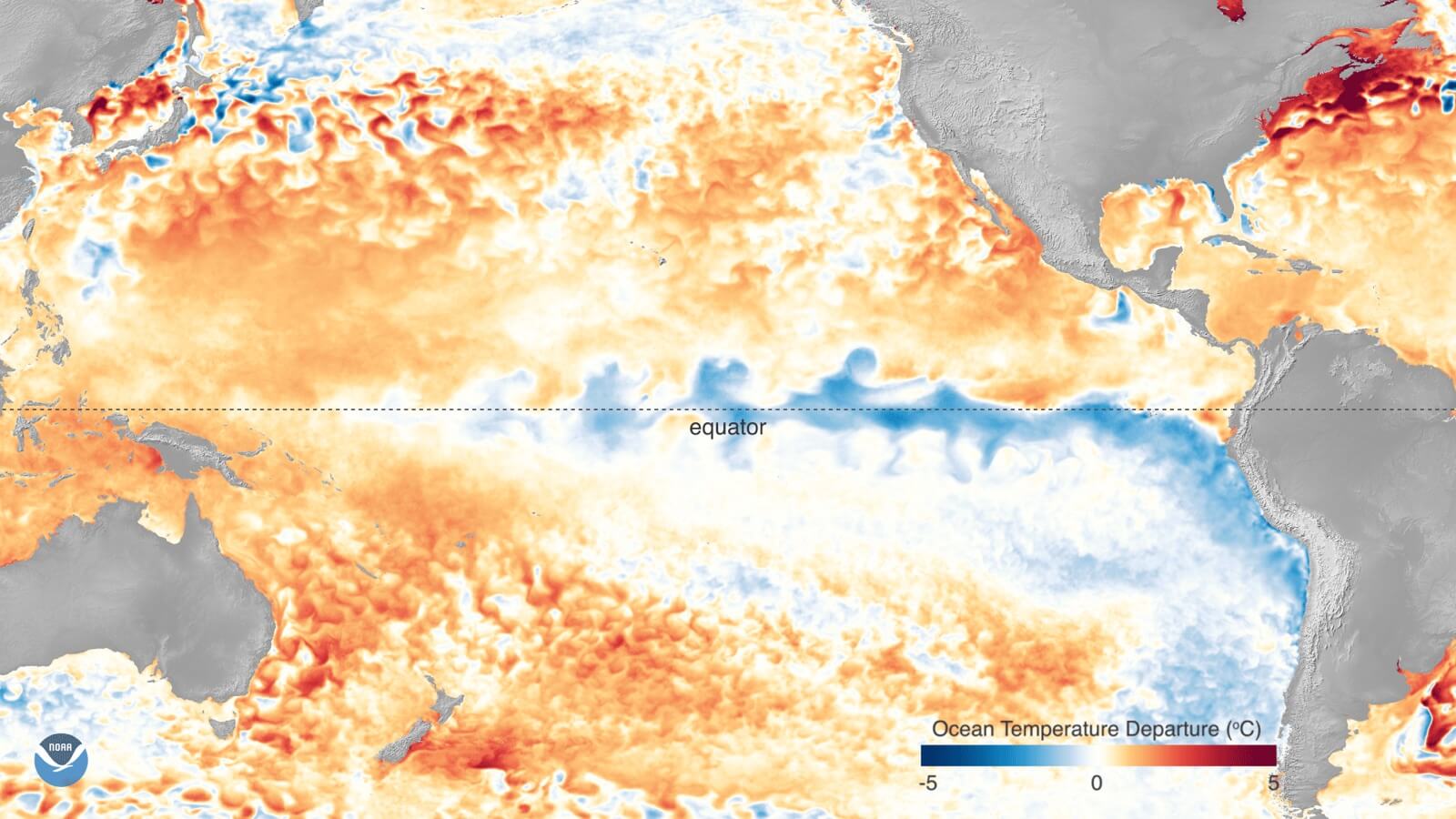
La Niña is one phase of the broader climate cycle known as the El Niño–Southern Oscillation (ENSO). During a La Niña event, sea surface temperatures in the central and eastern tropical Pacific Ocean become cooler than average. These cooler waters influence atmospheric circulation patterns, altering wind flows and affecting weather systems around the globe.
La Niña is essentially the opposite of El Niño, which occurs when Pacific Ocean waters become warmer than average. While El Niño often brings warmer global temperatures and shifts in rainfall patterns, La Niña tends to produce its own distinctive set of weather impacts that can vary by region.
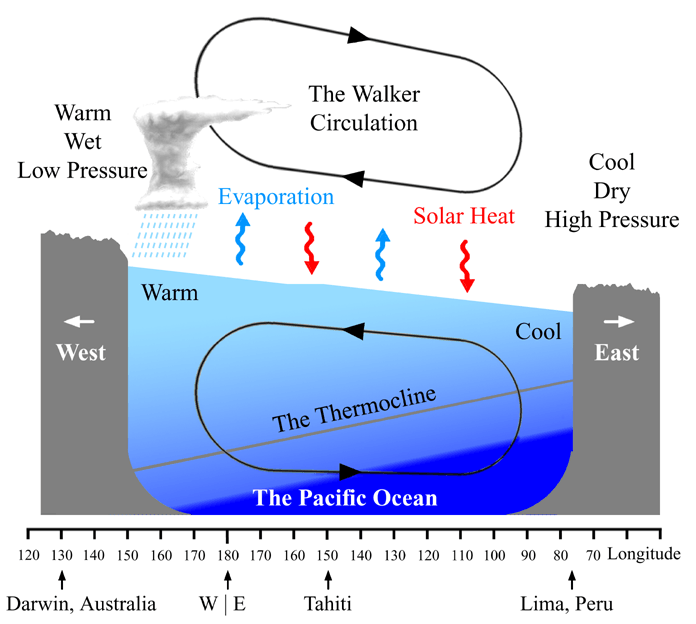
The phenomenon develops when stronger-than-normal trade winds push warm surface waters westward toward Asia and Australia. This movement allows colder water from deeper ocean layers to rise to the surface in the eastern Pacific, creating a large area of cooler ocean temperatures. These ocean changes interact with the atmosphere, influencing weather patterns thousands of miles away.
Why Does La Niña Matter?
La Niña matters because weather systems are interconnected. Changes in ocean temperatures can alter jet streams, storm tracks, rainfall patterns, and seasonal temperatures across large portions of the world.
Although every La Niña event is unique, scientists have observed recurring trends that help forecasters anticipate potential impacts. Governments, farmers, energy providers, emergency managers, and businesses often pay close attention to La Niña forecasts because they can influence everything from crop production to disaster preparedness.
Effects on North America
One of the most closely watched impacts of La Niña occurs in North America.
In the United States, La Niña often shifts the jet stream farther north. This can lead to warmer and drier conditions across much of the southern United States while bringing cooler, wetter, and snowier conditions to parts of the northern states and Pacific Northwest.
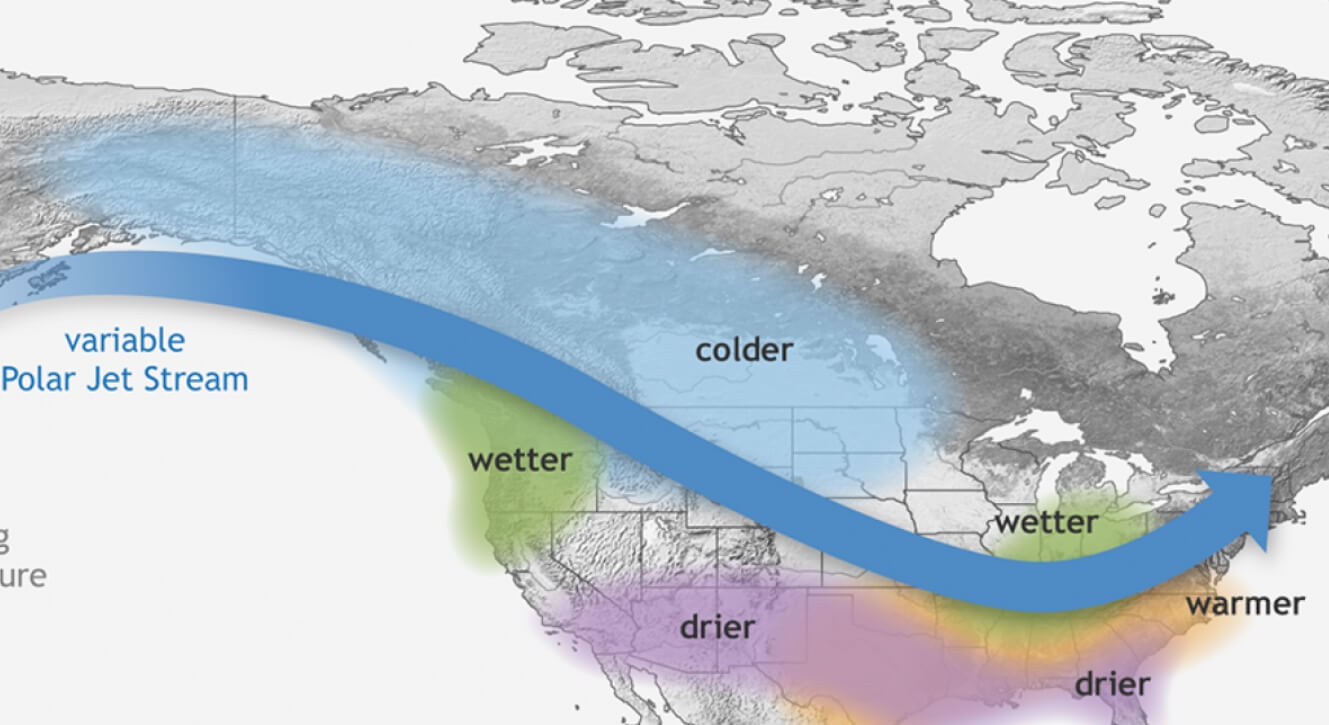
For the northern tier of the country, increased storm activity can mean heavier snowfall and more frequent winter weather events. Ski resorts in some regions may benefit from improved snowpack, while transportation systems can face greater challenges from winter storms.

Meanwhile, southern states may experience below-average rainfall. Extended dry conditions can increase drought concerns, reduce water supplies, and elevate wildfire risks in vulnerable areas.
Impacts on the Atlantic Hurricane Season
La Niña is often associated with more active Atlantic hurricane seasons. The reason lies in a phenomenon called wind shear — the change in wind speed or direction with height in the atmosphere.
During La Niña, wind shear over the tropical Atlantic tends to decrease. Lower wind shear creates a more favorable environment for tropical storms and hurricanes to form and strengthen. While La Niña does not guarantee more landfalling hurricanes, it can contribute to an environment that supports greater storm development.
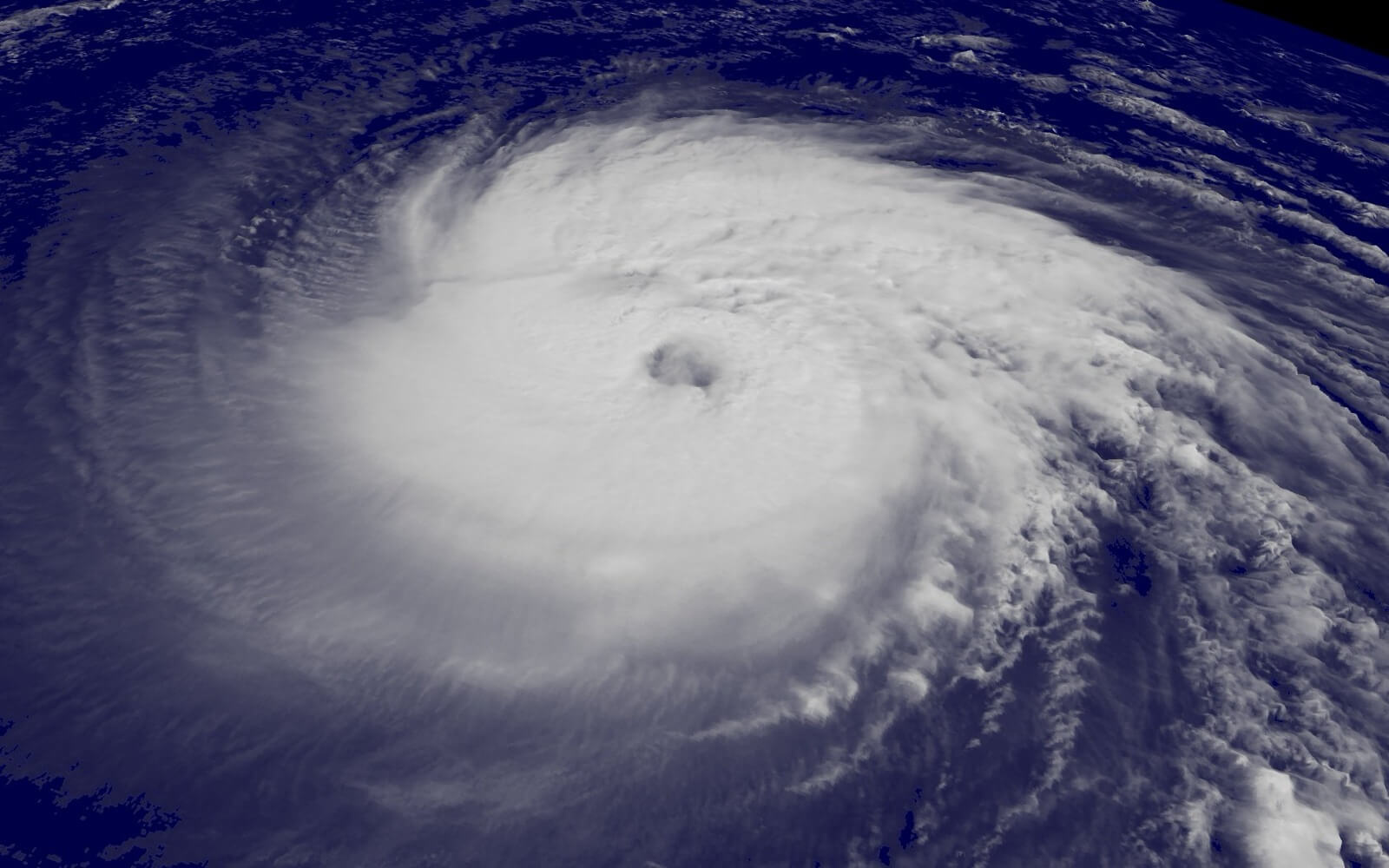
This connection is closely monitored by emergency planners and coastal communities because an increase in storm activity can raise the risk of flooding, property damage, and disruptions to infrastructure.
Effects Around the World
La Niña’s influence extends well beyond North America.
Australia and Southeast Asia
Australia frequently experiences wetter-than-average conditions during La Niña years. Increased rainfall can replenish reservoirs and support agriculture, but it can also raise the risk of flooding and severe weather events.
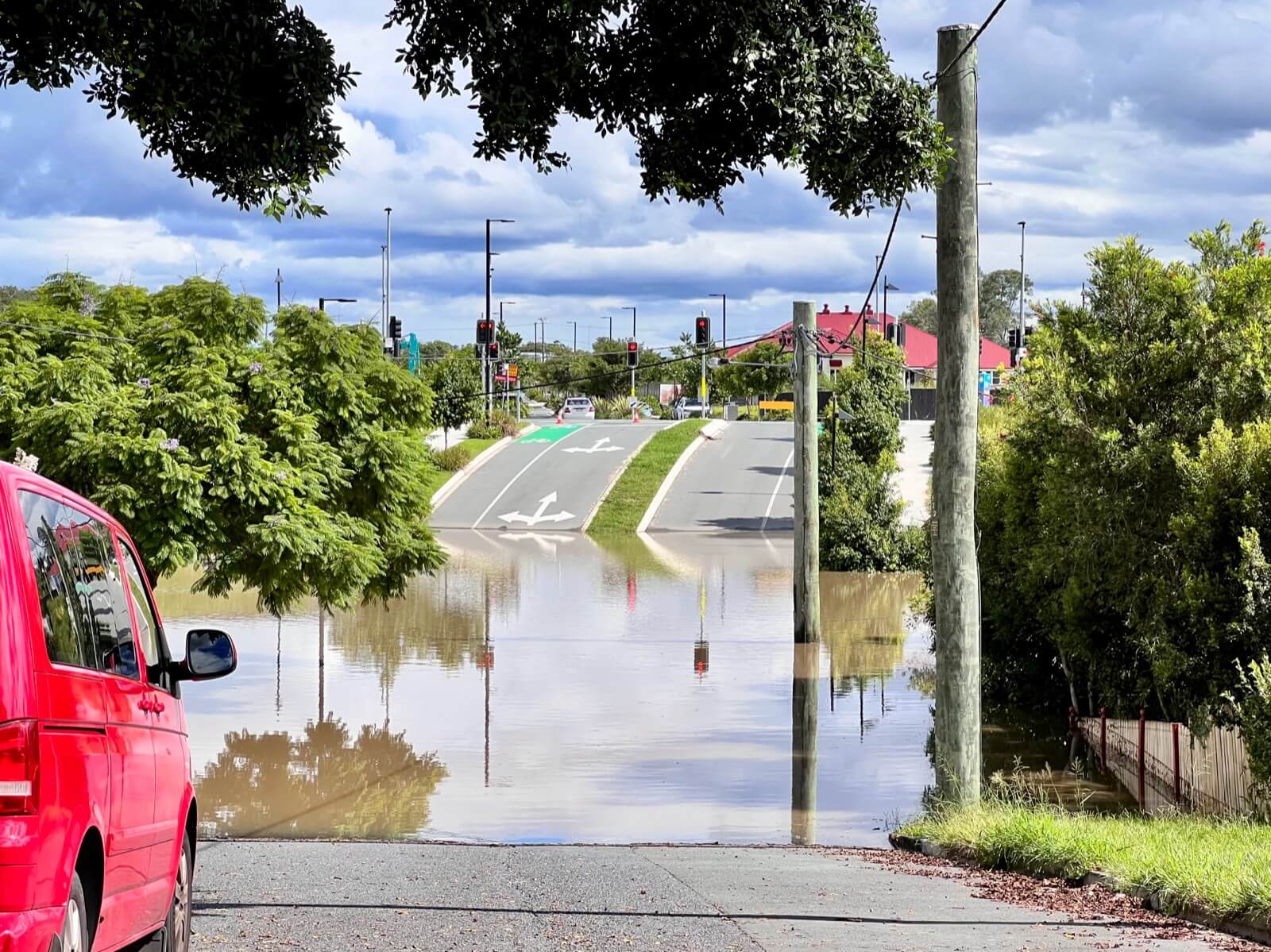
Countries across Southeast Asia may also see enhanced rainfall, leading to both agricultural benefits and flood-related challenges.
South America
The effects in South America can vary significantly by region. Parts of western South America often become drier than normal, while other areas may experience changes in precipitation patterns that affect farming and water resources.
Africa
Certain regions of Africa may experience shifts in seasonal rainfall that influence crop yields and water availability. Depending on location, La Niña can either improve agricultural conditions or contribute to drought concerns.
Asia
Large portions of Asia may see altered monsoon patterns, affecting food production, water management, and economic activity. Since many countries rely heavily on seasonal rains, even modest changes can have significant consequences.
Agricultural Implications
Agriculture is among the sectors most sensitive to La Niña.
Farmers depend on predictable weather conditions for planting, growing, and harvesting crops. Changes in rainfall, temperature, and storm frequency can influence crop yields and livestock management.

In some regions, increased rainfall can improve soil moisture and boost production. In others, excessive precipitation may damage crops, delay planting, or increase disease pressure. Drier conditions can reduce yields, strain irrigation systems, and increase production costs.
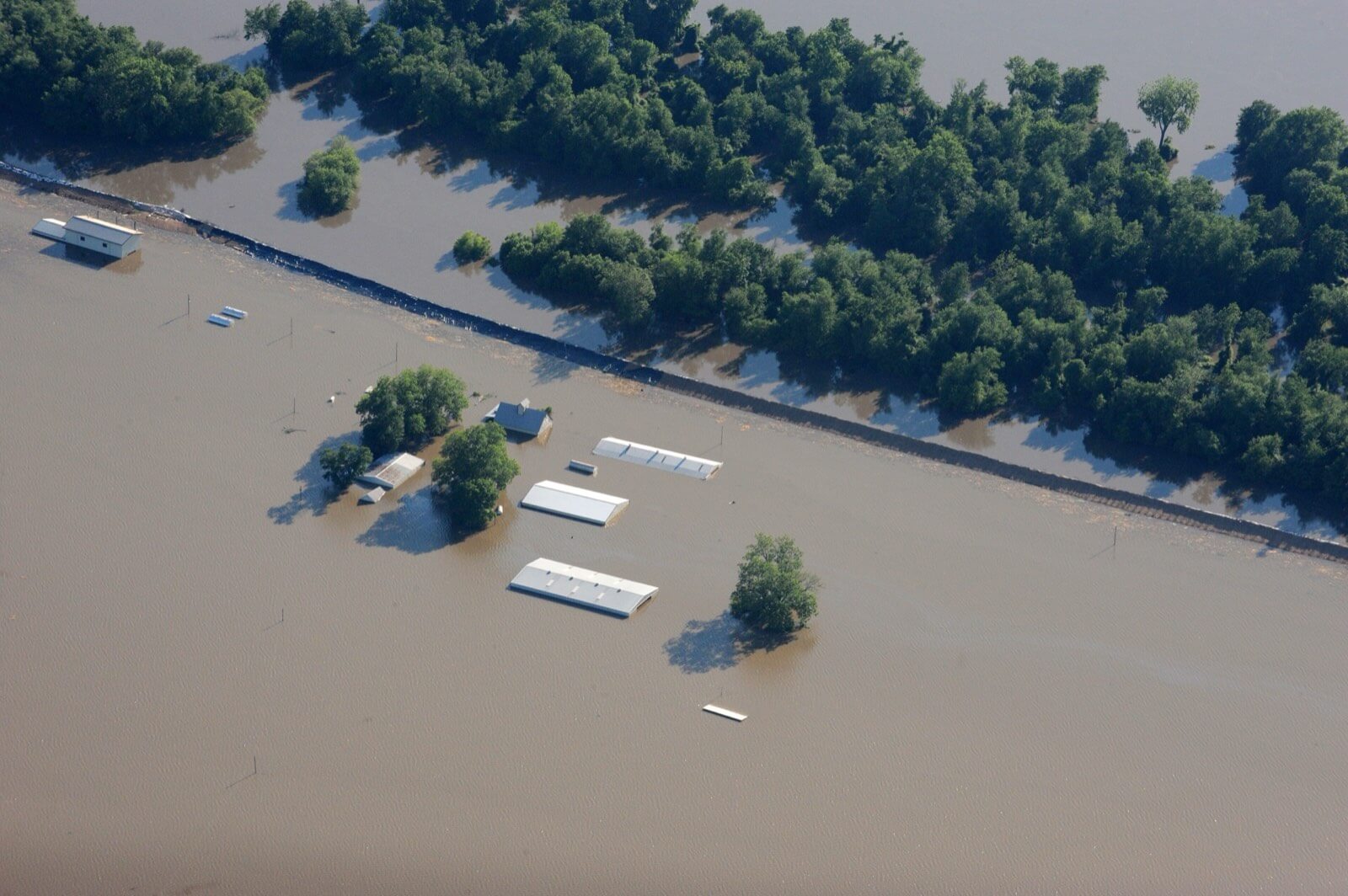
Because global food markets are interconnected, weather disruptions linked to La Niña can sometimes affect commodity prices and food supplies far beyond the regions directly impacted.
Water Resources and Drought
Water availability is another critical concern during La Niña events.
Regions experiencing below-average rainfall may see declining reservoir levels, reduced river flows, and heightened drought conditions. Water managers often use seasonal climate forecasts to prepare for potential shortages and adjust resource planning accordingly.

Conversely, areas receiving excessive rainfall may benefit from replenished water supplies but face increased flood risks. Managing these extremes is one of the key challenges associated with La Niña-driven weather variability.
Climate Change and La Niña
Scientists continue to study how climate change may interact with La Niña and other climate cycles. While La Niña itself is a naturally occurring phenomenon, a warming global climate can influence the severity and consequences of weather events associated with it.
For example, heavier rainfall events may become more intense in a warmer atmosphere that can hold more moisture. Likewise, heat waves and drought conditions may be amplified in regions already predisposed to dry weather during La Niña periods.
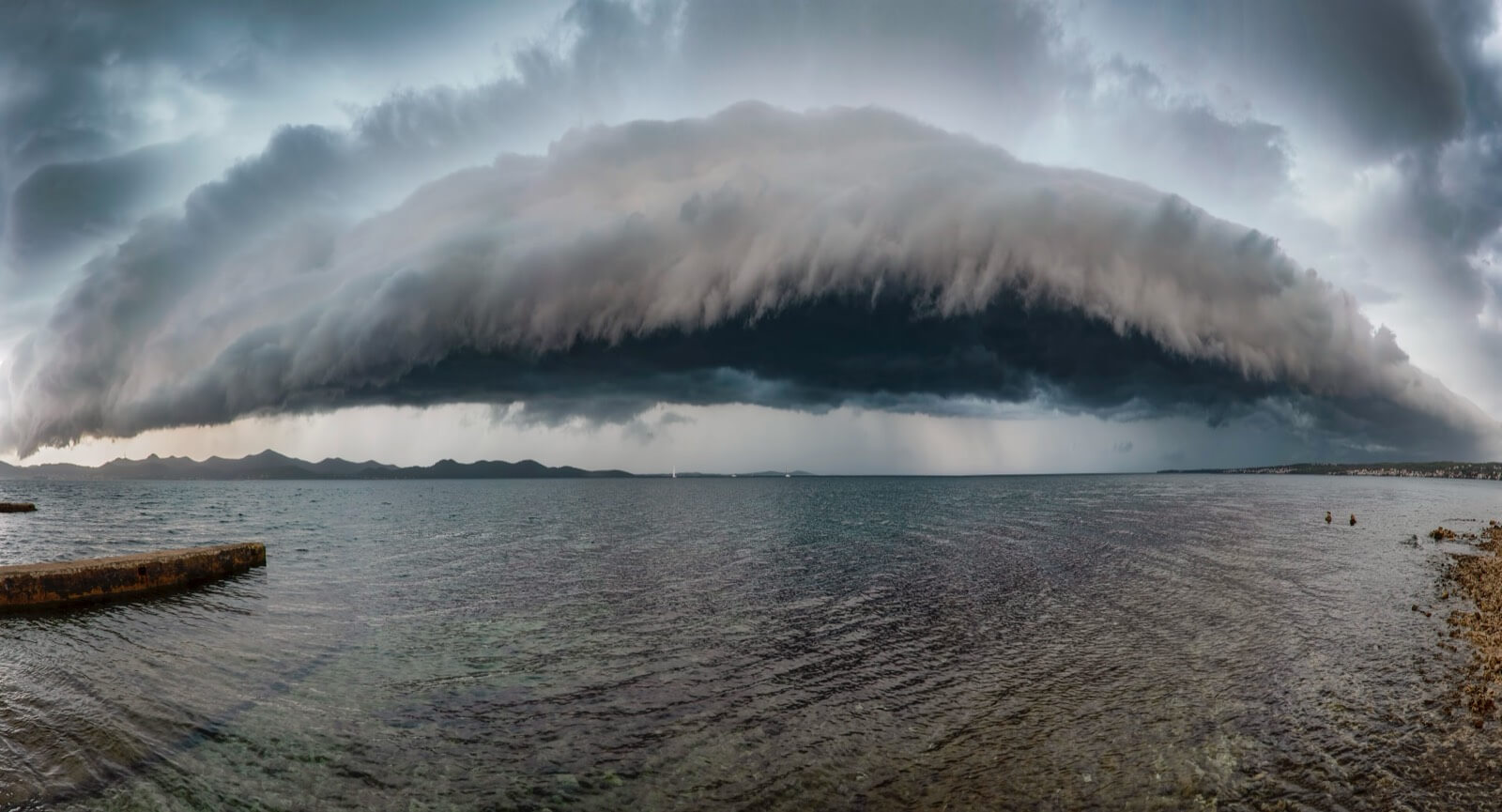
Researchers are working to better understand these complex interactions so that communities can improve forecasting, planning, and resilience strategies.
Looking Ahead
La Niña is a powerful reminder that Earth’s oceans and atmosphere are deeply connected. What begins as a change in Pacific Ocean temperatures can ultimately influence weather patterns across continents, affecting agriculture, water supplies, ecosystems, transportation, and public safety.
While forecasts can identify likely trends, no two La Niña events are exactly alike. Regional impacts depend on a variety of factors, including local climate conditions and interactions with other weather systems. For that reason, seasonal forecasts should be viewed as guidance rather than certainty.
As scientists continue monitoring ocean temperatures and atmospheric conditions, understanding La Niña remains essential for preparing communities, businesses, and governments for the weather challenges and opportunities that may lie ahead. Whether it brings beneficial rainfall, heightened storm activity, or increased drought risk, La Niña remains one of the most influential climate patterns shaping weather around the world.